Online “gig work”, or platform work, is a global phenomenon, and currently provides a source of income for an estimated 154 million to 435 million people, or from 4.4% to 12% of the labor force, according to the World Bank. 

Co-signing International guidelines for gig work

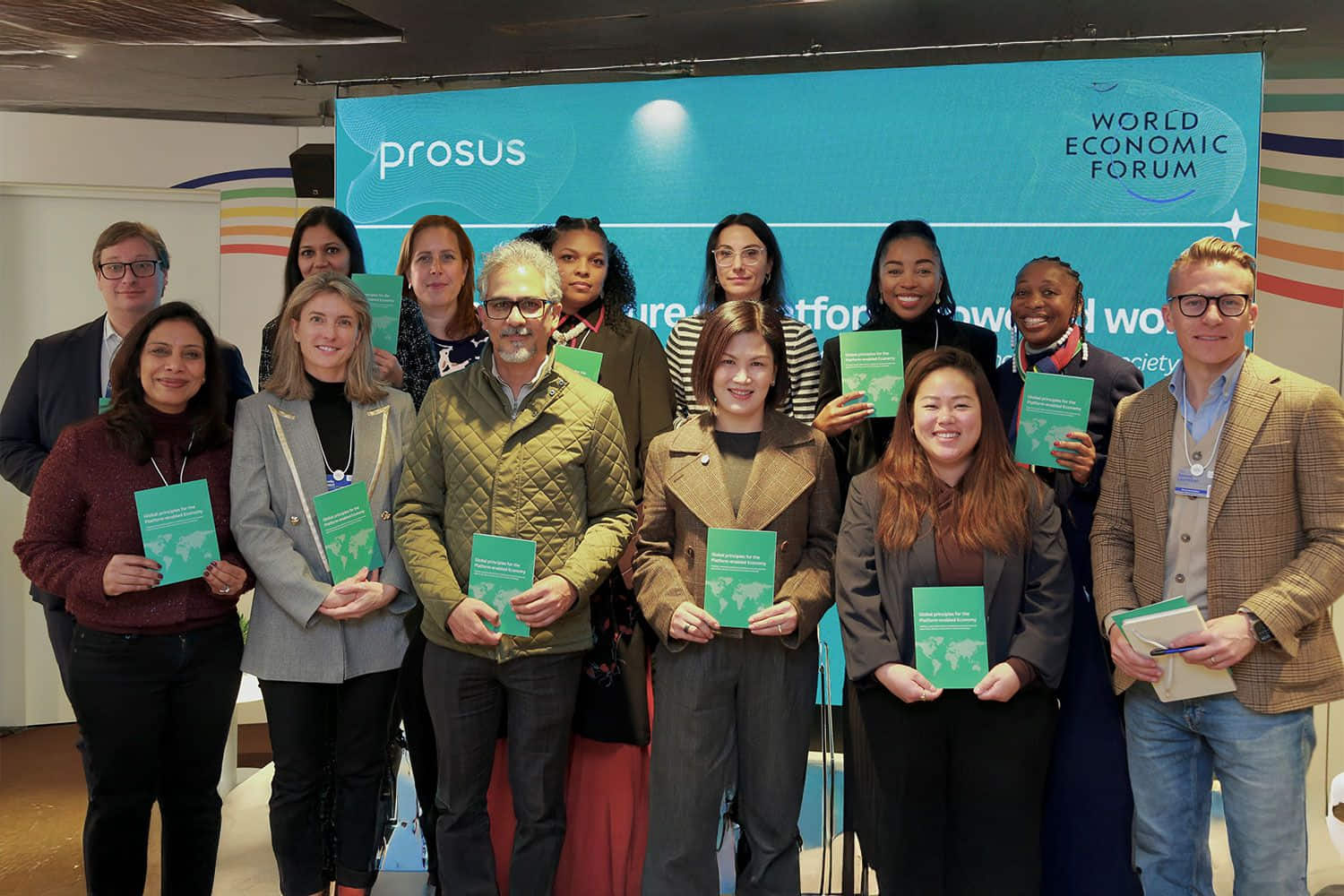
When we heard that there is an initiative at the World Economic Forum (WEF) to develop a set of “Global Principles for the Platform-Enabled Economy”, we were interested in becoming part of this process and sharing our expertise. We are proud to announce that we recently co-signed the WEF Principles, alongside many of our peers, as we found a deep alignment with our existing internal Grab Principles.

Launch of the Global Principles for the Platform-Enabled Economy", an initiative led by WEF and Prosus Group, involving several global platform companies.

These include providing access to a source of sustainable earnings, preserving flexibility, and supporting the health and professional development of our partners, because we believe that for platform work to be sustainable, it must be equitable. Meaning: our partners need access to fair opportunities and a safety net that grows with them. 

This is a great opportunity to come together to share learnings and define global best practices on improving gig worker welfare, in alignment with local market needs.

Here’s how we’ve put our core Grab Principles into action as we’ve scaled operations across Southeast Asia, and how these map onto the Platform Economy Principles established recently at WEF.

Ensuring sustainable earnings

Without sustainable incomes for our driver-partners, the platform cannot exist. We’re proud to say that, today, 99% of Grab partners earn above the local minimum wage (net of operating costs) while on a trip (Details in Grab’s 2024 ESG report, page 12).

An independent study commissioned by the International Labor Organization (ILO) in the Philippines surveyed on-demand drivers from various online transportation networks, including Grab, and found that their net weekly mean earnings significantly exceeded the country’s minimum wage.

This isn’t a result of chance, but of many measures that work hand-in-hand.

0 %
of Grab partners earn above the local minimum wage (net of operating costs) while on a trip

We have implemented an earnings guardrail to ensure platform work remains a viable livelihood. This guardrail is embedded directly into the pricing algorithm to automatically price every trip to meet this objective.

We’ve also learned to structure driver fare in a way that compensates for pickup effort, by accounting for time and distance travelled to reach passengers—improving fairness without increasing passenger fares.

To empower partners with data that helps them make smarter and more effective decisions on the road, tools like the AI-powered Grab RideGuide provide earnings clarity and predictability. RideGuide uses real-time and historical data to map demand and suggest the best routes, helping our driver-partners stay in high-volume areas for consistent back-to-back pickups.

Without sustainable incomes for our driver-partners, the platform cannot exist. Today, 99% of Grab partners earn above the local minimum wage (net of operating costs) while on a trip.
Lowering the barrier to entry

True opportunity must be inclusive. We are actively working to remove the friction that can hold people back from entering the digital economy.

We begin by bridging the digital divide through physical onboarding centers, providing a vital human touch for those less digitally savvy as they navigate their transition to platform work.

We also commit to ensuring flexibility: our partners decide when and how much they work. From previous internal surveys, we know that 70% of Grab’s partners choose platform work because they specifically value the “flexibility of time” this type of work offers.

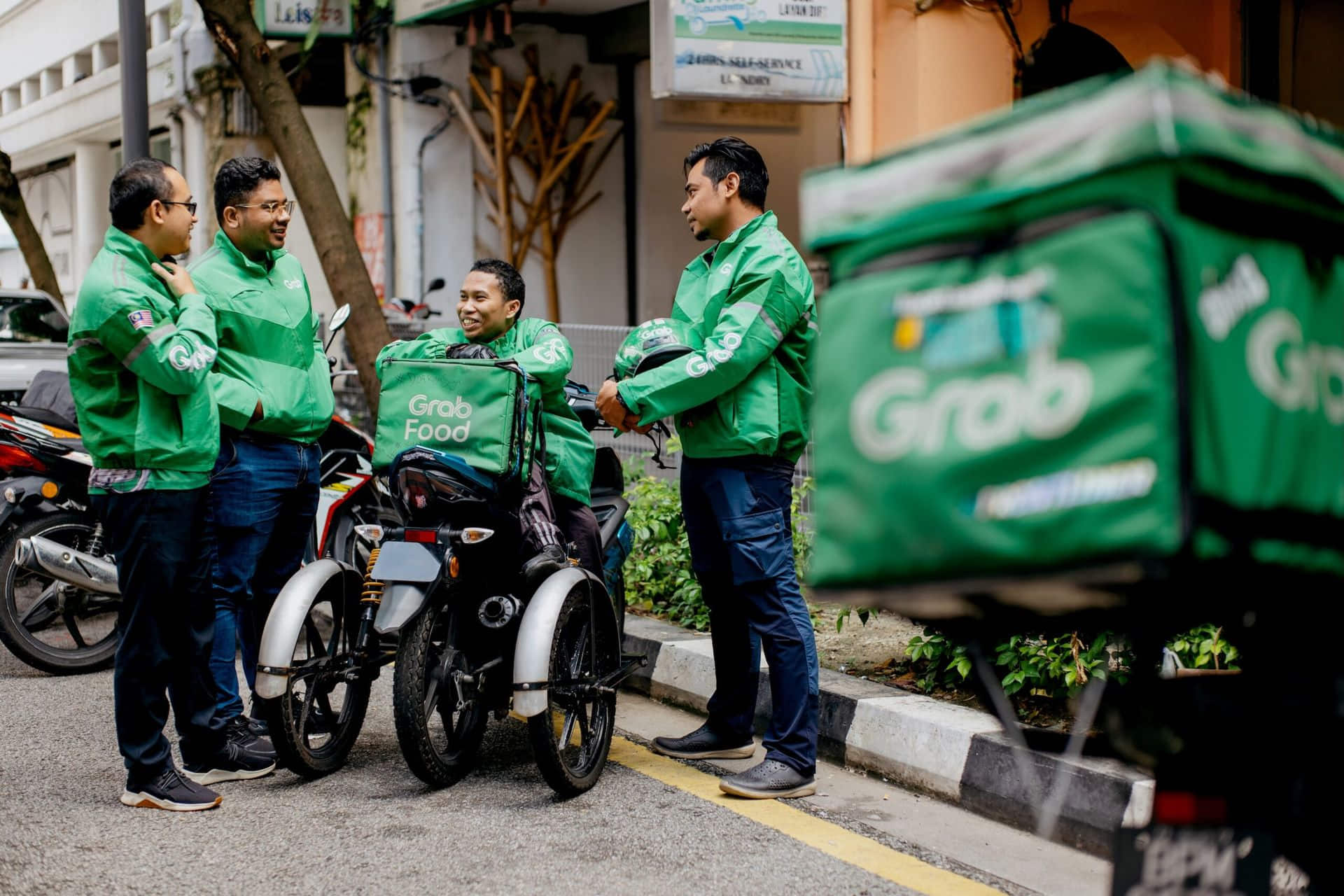
Finally, we are driving inclusion through dedicated onboarding and safety initiatives for women drivers in the gig economy, alongside specialised programmes designed to expand accessibility and earning opportunities for Persons with Disabilities (PWD).

A small example of how we’ve implemented prioritising women’s safety at the product level: We enable women drivers to indicate in the app if they prefer to be matched with female passengers.

Thanks to this and other initiatives, we can report that 135,000 women and Partners With Disabilities (PWDs) earned an income through Grab in 2024, with a 2030 target of 300,000.

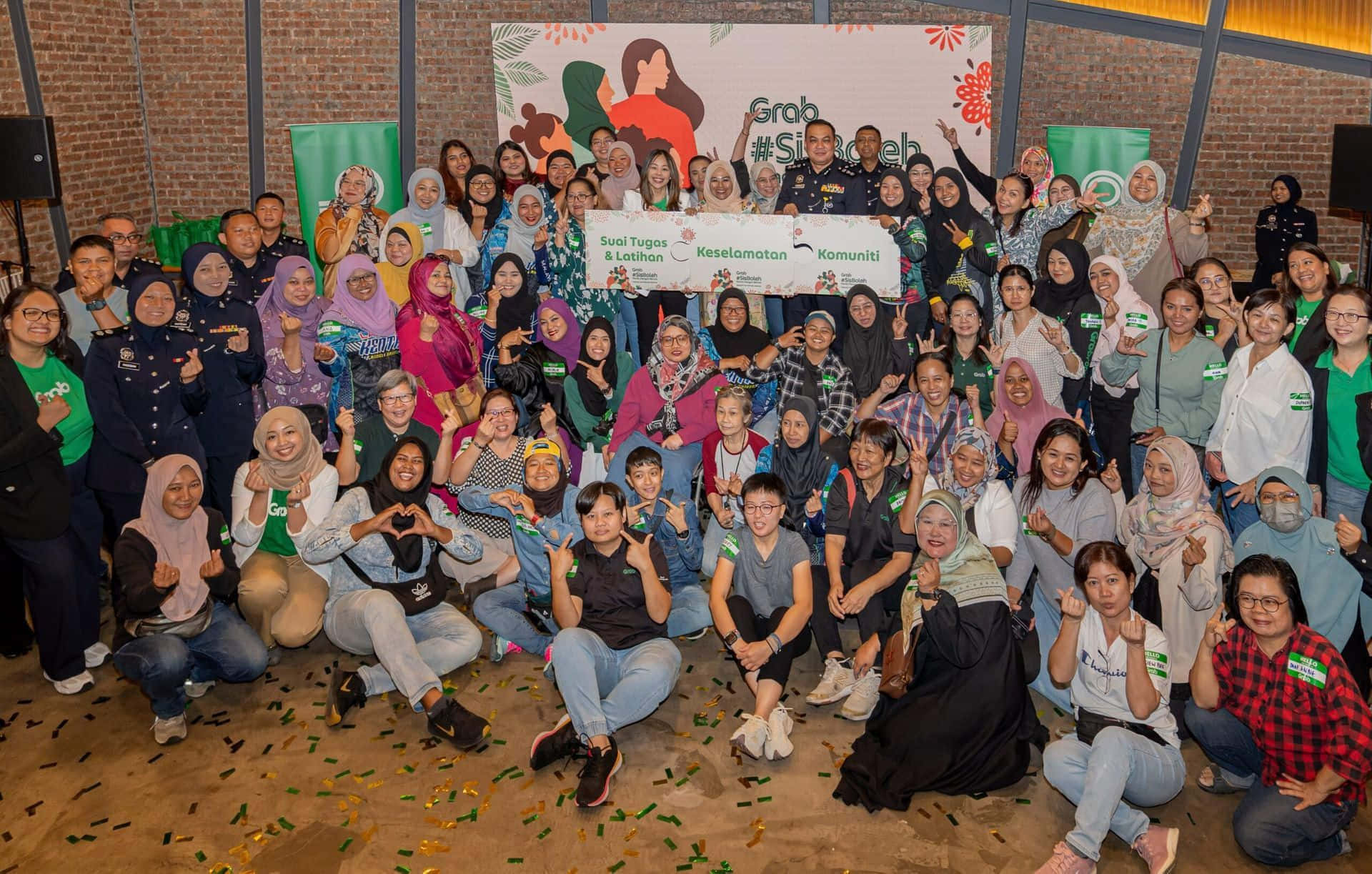
Grab is driving inclusion through dedicated onboarding and safety initiatives for women drivers. Malaysia's #SisBoleh programme, for example, was launched to empower more women driver to come on board.
Prioritising fair work conditions

Dignity in work is non-negotiable. This begins with the basics: ensuring earnings are paid on time and directly to the partner. However, fairness extends into physical and social safety.

At Grab, we give partners options such as an integrated fatigue nudge in the Grab driver app that reminds them to take a break and rest, and access to lounges and physical rest areas, where drivers can take a break between fulfilling bookings and orders if they choose to.

All our driver and delivery partners have accident coverage for work related accidents while on a trip, and in many countries, such as in Indonesia, we work with official government bodies to help eligible partners enroll in national-scale social protection schemes, ensuring they have a safety net that lasts beyond their time on the road.

Investing in professional development

Beyond the immediate trip, we view our platform as a springboard for growth. Through upskilling programmes like GrabAcademy and our Livelihood Centres, we provide courses in road safety and digital and financial literacy.

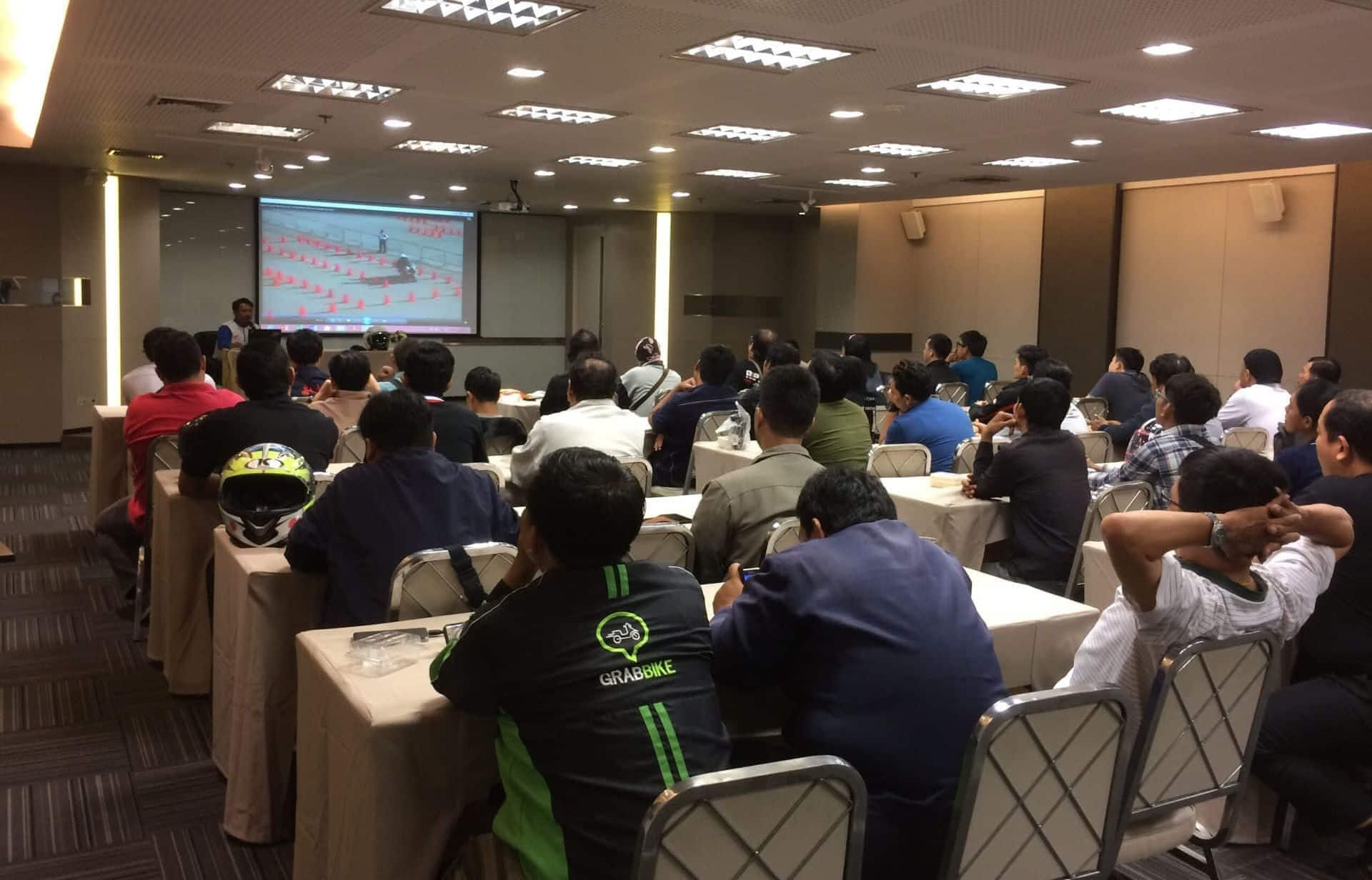
Driver-partners at a safety training.

Our commitment to holistic development also includes providing partners access to basic banking, fair loans and other financial products. By equipping our partners with these tools, we aren’t just helping them manage their earnings today—we are helping them build financial resilience for tomorrow.

Looking ahead: a collective future
By 2030, Grab aims to empower 300,000 women driver-partners and Persons With Disabilities (PWDs) to earn an income annually through its platform.

Joining the global WEF initiative is a milestone, but it is not the finish line. It offers a unique opportunity for Grab to share our insights from Southeast Asia with the world while adopting best practices from global peers.

This is an opportunity to build on what we already do, and join forces with like-minded industry peers to uplift gig workers globally.

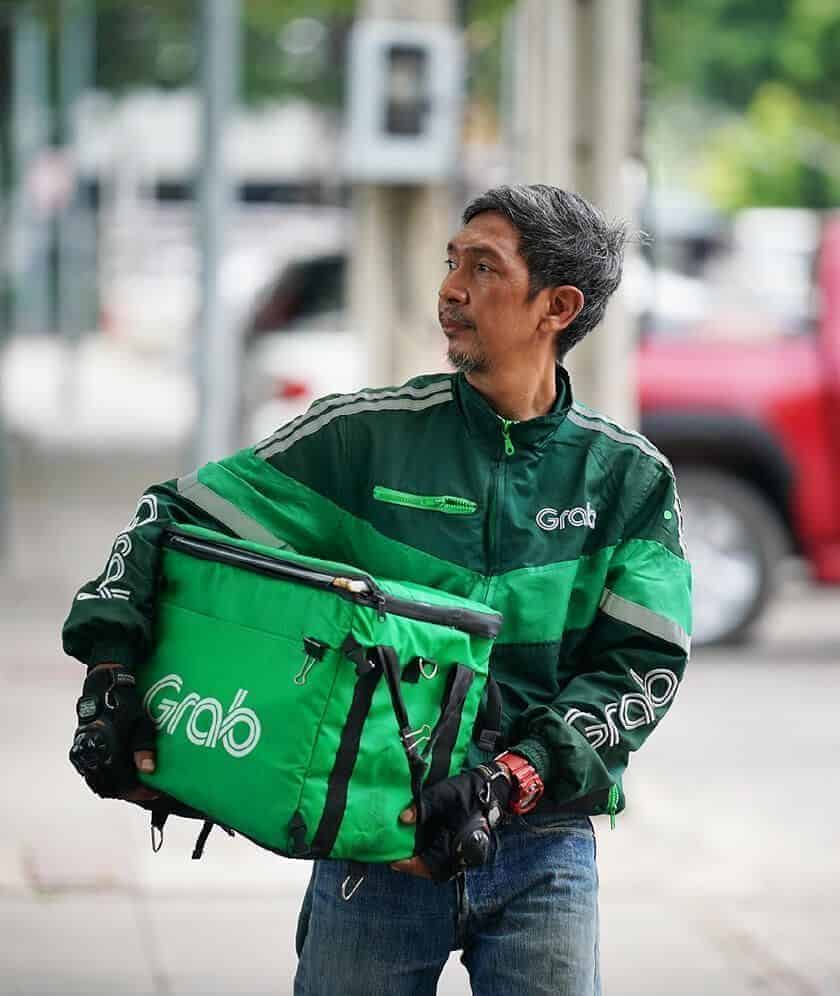
Komsan Chiyadis

GrabFood delivery-partner, Thailand

Komsan Chiyadis

GrabFood delivery-partner, Thailand

COVID-19 has dealt an unprecedented blow to the tourism industry, affecting the livelihoods of millions of workers. One of them was Komsan, an assistant chef in a luxury hotel based in the Srinakarin area.

As the number of tourists at the hotel plunged, he decided to sign up as a GrabFood delivery-partner to earn an alternative income. Soon after, the hotel ceased operations.

Komsan has viewed this change through an optimistic lens, calling it the perfect opportunity for him to embark on a fresh journey after his previous job. Aside from GrabFood deliveries, he now also picks up GrabExpress jobs. It can get tiring, having to shuttle between different locations, but Komsan finds it exciting. And mostly, he’s glad to get his income back on track.