Why is Grab exploring autonomous vehicles?          

Stepping into a self-driving vehicle is already a reality in parts of the world. In cities like San Francisco, Los Angeles, Shanghai, Beijing and Guangzhou, passengers can already book and pay for driverless rides. 

AV technology companies have been rapidly advancing AV systems to deliver safer, more reliable, and more accessible transportation.

As the technology matures, Grab is exploring how AVs can help solve real mobility problems in Southeast Asia, starting with Singapore. 

Singapore’s infrastructure and regulatory readiness allow us to test safely and learn quickly. 

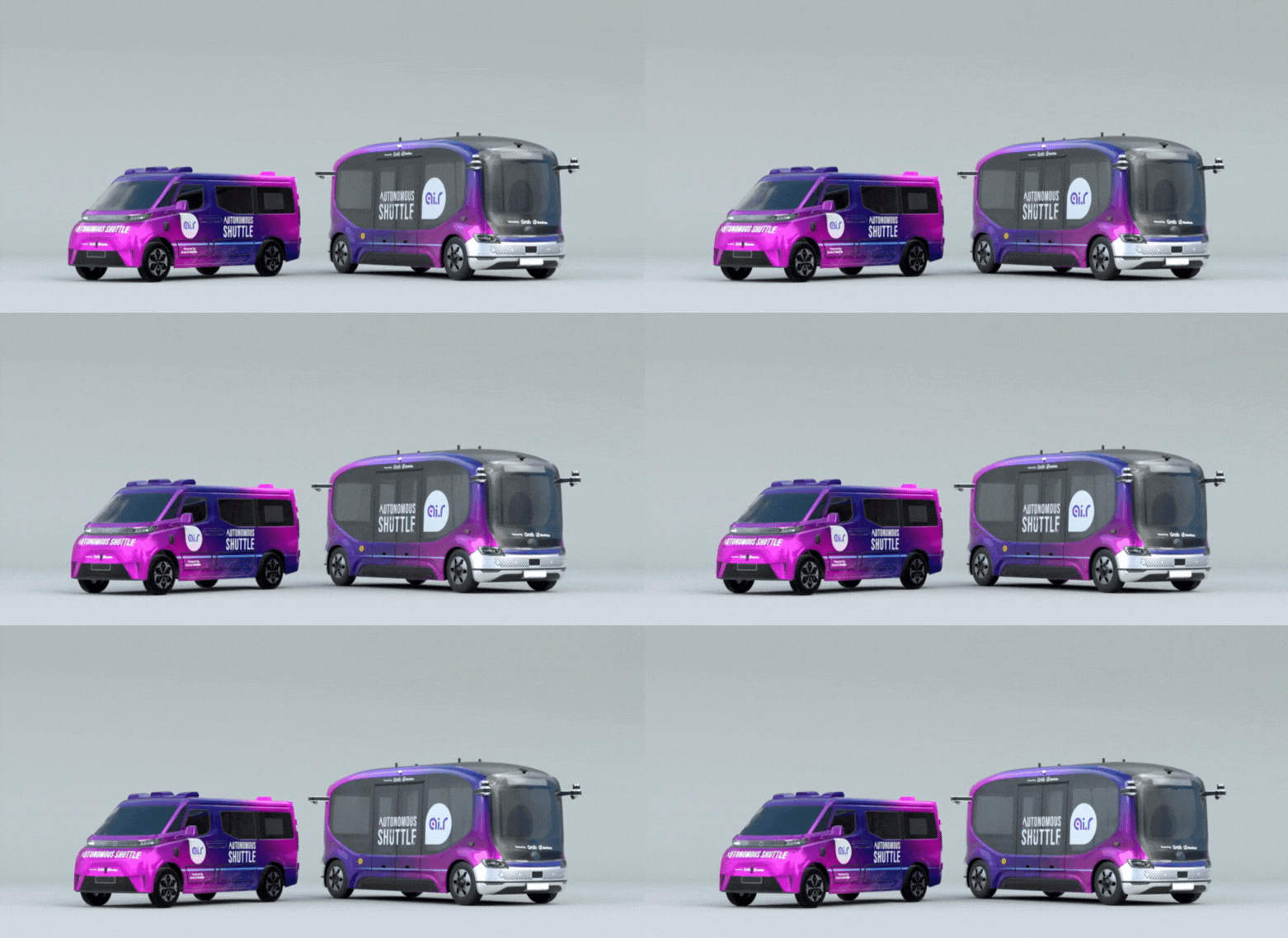
In July, we launched Singapore’s first autonomous electric shuttle bus with Korean full-stack autonomous vehicle technology manufacturer Autonomous A2Z (A2Z). The AV shuttle supports first- and last-mile commutes for Grab employees between Grab HQ and the one-north MRT station.

We are also preparing passenger rides in Punggol using two vehicle models—the five-seater GXR and eight-seater Robobus—developed by autonomous driving technology company WeRide.

(Read more: Here’s how to ride on the autonomous shuttle at Punggol)

The Ai.R self-driving shuttles were developed by WeRide, a global AV technology leader.

These initiatives are expected to provide insights into the potential of how AVs can improve connectivity within underserved neighbourhoods. Together with our AV partners like WeRide, we are building a leading AV passenger fleet with a diverse range of vehicle models, to bring more transport options to the public. 

Role of self-driving vehicles to improve connectivity 

In the near term, AVs can help fill service gaps in places that are harder to reach and where trips are less likely to be accepted. This includes low-density neighbourhoods, industrial areas or campuses. Pickups in these places can be uneconomical or time-consuming, leading to long wait times, high cancellations and poor accessibility. 

They help with first- and last-mile connections where a destination is too far to walk yet a little too close to book a ride. AVs can also complement the public transport network during off-peak hours and at hotspots like airports, hospitals, and nightlife districts where supply is tight.

Finding the right partners

To do this, we are tapping on partnerships with industry leaders. In addition to South Korea’s Autonomous A2Z and WeRide from Guangzhou, China, Grab is also partnering with Motional from Boston, Massachusetts; and Zelos from Singapore. Each partner brings different hardware, software and operating models to the table. 

(Read more: Just how safe are autonomous vehicles?)

Meanwhile, Grab has deep operational and fleet management expertise, from demand forecasting to ensuring reliable service at scale. We also have strong insights into how people travel: where and when they move, and how they choose between modes. 

Grab has deep operational and fleet management expertise.

These partnerships would allow us to share know-hows, train AVs for local conditions and design services that can best serve the needs of the region. 

Improving connectivity for Southeast Asia 

Whether it’s motorcycles darting back and forth in Jakarta or TukTuks rolling along in Bangkok, Southeast Asia moves differently from the US and China. 

We see dense mixed traffic, many two-wheelers, informal stops, varied road quality and different  traffic rules from city to city. 

For AVs to be useful in Southeast Asia, we need to learn these local realities in order to partner with governments to roll AVs at scale.

(Read more: Here’s why AVs will create opportunities for Southeast Asia’s workforce)

What’s next

By launching AVs in Singapore, we’ll identify where these systems add the most value and the problems they solve best. We’ll start with controlled routes and hours that will help us gather real‑world insights, improve safety and reliability and tailor solutions to the region’s unique needs.

Komsan Chiyadis

GrabFood delivery-partner, Thailand

Komsan Chiyadis

GrabFood delivery-partner, Thailand

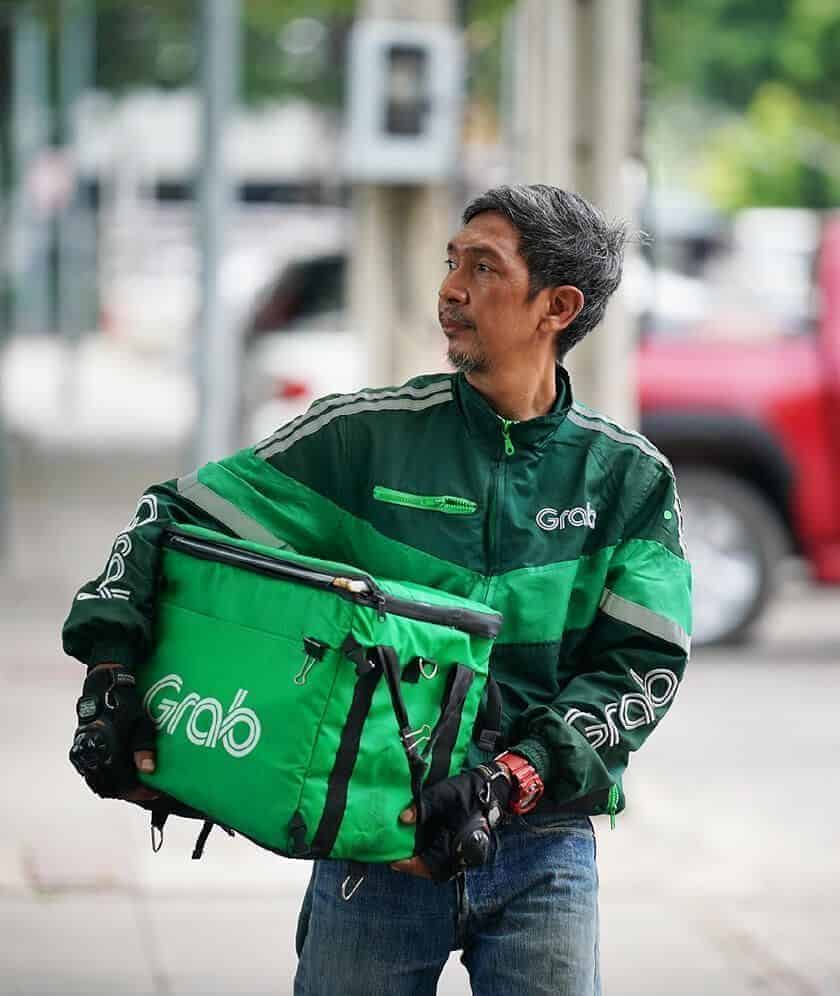
COVID-19 has dealt an unprecedented blow to the tourism industry, affecting the livelihoods of millions of workers. One of them was Komsan, an assistant chef in a luxury hotel based in the Srinakarin area.

As the number of tourists at the hotel plunged, he decided to sign up as a GrabFood delivery-partner to earn an alternative income. Soon after, the hotel ceased operations.

Komsan has viewed this change through an optimistic lens, calling it the perfect opportunity for him to embark on a fresh journey after his previous job. Aside from GrabFood deliveries, he now also picks up GrabExpress jobs. It can get tiring, having to shuttle between different locations, but Komsan finds it exciting. And mostly, he’s glad to get his income back on track.