Autonomous vehicles (AVs) are now sharing the roads with us in some parts of the world, signalling that they have crossed important safety milestones.

In Southeast Asia, however, AVs are still relatively new. It’s fair to ask: Are they really safe? Can they make the right call when traffic gets messy?

The short answer: yes. 

Before any AV hits the roads anywhere, it goes through rigorous simulation, closed-track trials, and carefully supervised on-road testing. 

In Singapore, Grab is operating its first AVs on fixed routes with layered safeguards and safety as its top priority. The company has collaborated with Autonomous A2Z (A2Z), a Korean full-stack autonomous vehicle technology manufacturer to shuttle employees between One-North MRT station and the office with an autonomous bus. 

Grab is also training AVs developed by autonomous driving technology company WeRide to provide shuttle services for residents in the Punggol community in the near future. 

(Read more: Here’s how to ride on the autonomous shuttle at Punggol)

Working with the right partners

To run these AVs, Grab teams up with industry leaders in autonomous technology. WeRide, for example, brings global experience across 30 cities in 11 countries, with 2,200 days of safe operations under its belt. 

A2Z, on the other hand, adds a strong safety track record from South Korea, having logged over 668,000 km of safe autonomous journeys from 2020 to May 2025.

Both companies bring advanced autonomous tech capabilities to the table. 

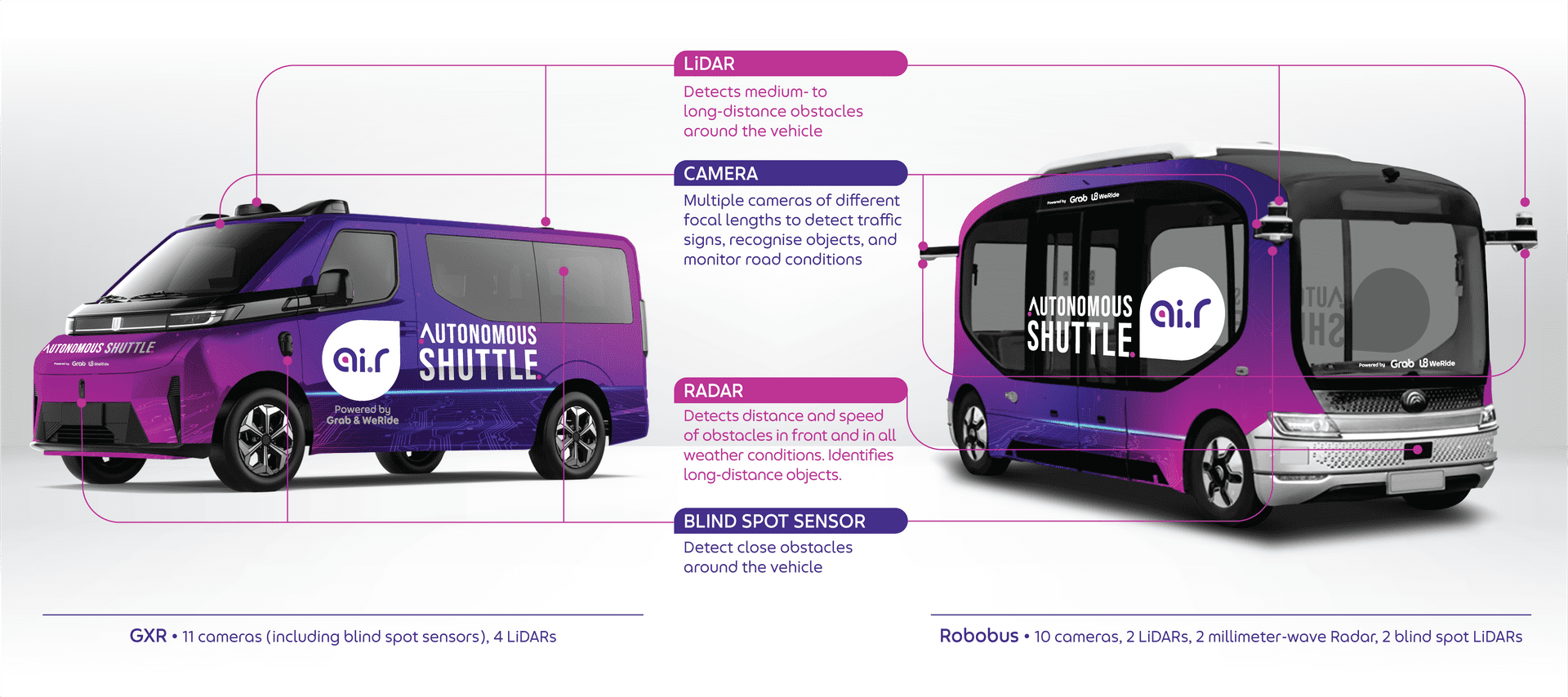
AVs rely on advanced sensors and software to “see,” understand their surroundings, and make smart decisions. WeRide’s vehicles use a 360-degree sensor suite that can detect objects up to 200 metres away, even in the rain. 

An overview of the cameras and sensors on WeRide's AVs.

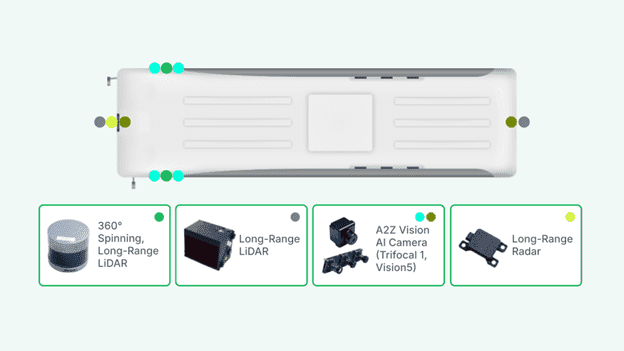
The AV shuttle for Grab employeesan electric bus retrofitted with A2Z’s autonomous hardware and software, alongside Grab’s IoT devicesruns with 11 sensors providing full 360-degree coverage. If the system detects an issue, a built-in safety algorithm brings the bus to a safe, complete stop.

An illustration of the 11 sensors on the autonomous shuttle bus.
How will AVs react to changing roads?

That said, roads evolve. This could be anything from new traffic lights popping up, lanes shifting due to construction projects, to road signs getting updated. 

To keep pace, AVs are trained and retrained with the latest information and real-world runs so they can adapt to different environments and scenarios.

(Read more: Just how safe are autonomous vehicles?)

For example, for Singapore’s upcoming Punggol shuttle service, WeRide’s vehicles undergo a route familiarisation phase where they will study every detail along their assigned routes including traffic lights, zebra crossings, speed limits, and more. This will enable the vehicles to navigate smoothly while detecting and responding to new road changes.

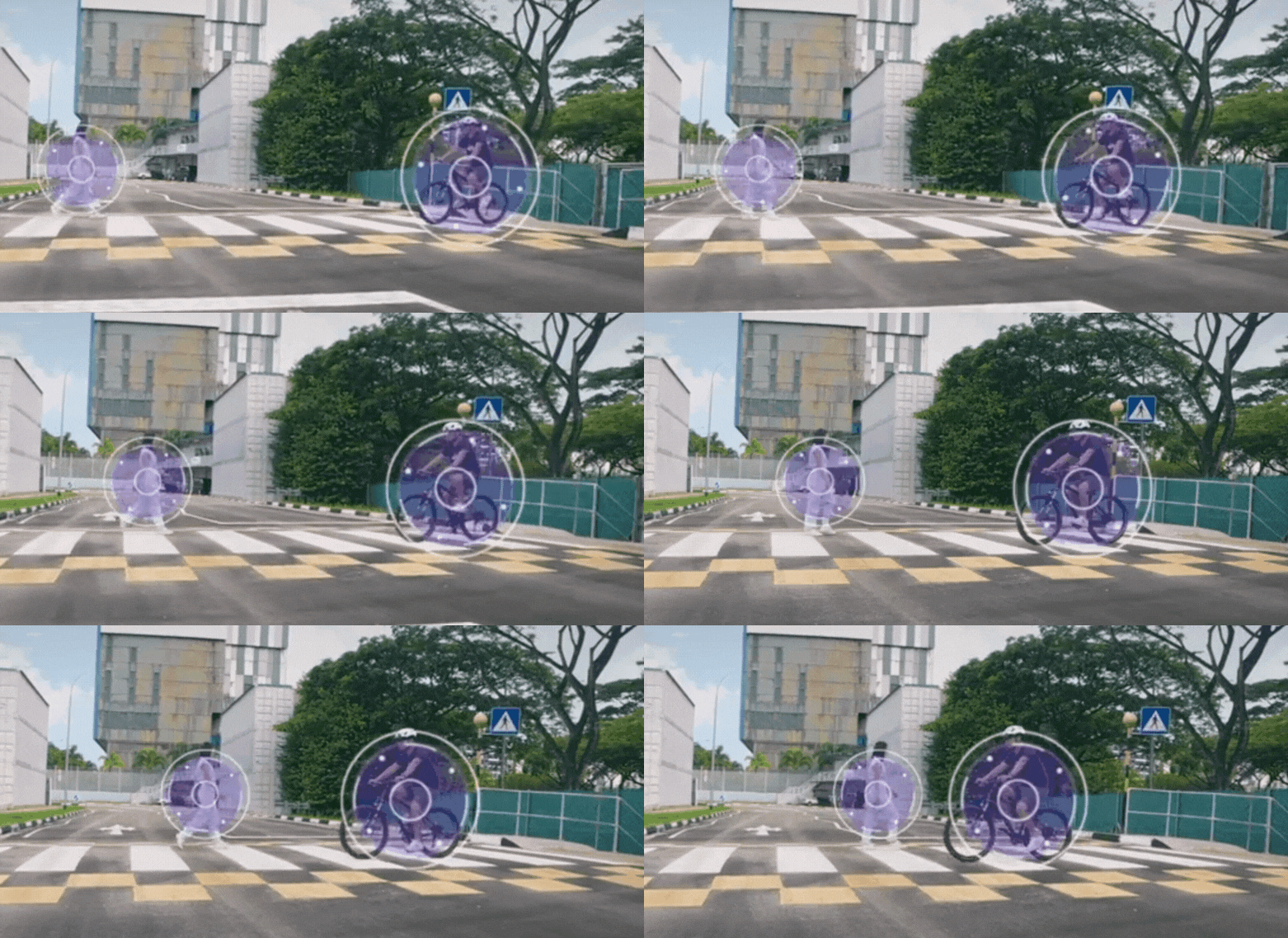
The AV can detect pedestrians and will stop at zebra crossings.
Good citizens of the road

To add, the AVs are programmed to be courteous road users. They’ll always observe speed limits, turn signals, and stop signs and they’re designed to prioritise safety and predictability above all else in their driving behaviour.

They are trained to adhere to Singapore’s traffic laws and have passed  safety assessments conducted by CETRAN (The Centre of Excellence for Testing and Research of AVs-NTU) before deployment. All vehicles have passed the Milestone 1 (M1) test, where they showcase their ability to navigate basic scenarios and respond to obstacles according to Singapore traffic rules.

They’re also clearly labeled as AVs, making it easy for drivers, cyclists and pedestrians to spot them on the road.

Additional layers of safety 

During the initial phases of the AV’s service, a trained safety operator will always be onboard. The role of the safety operator includes:

  • Supervising vehicle operations and taking manual control during emergencies.
  • Reporting system malfunctions and documenting incidents.
  • Ensuring passenger safety and coordinating with authorities if needed.
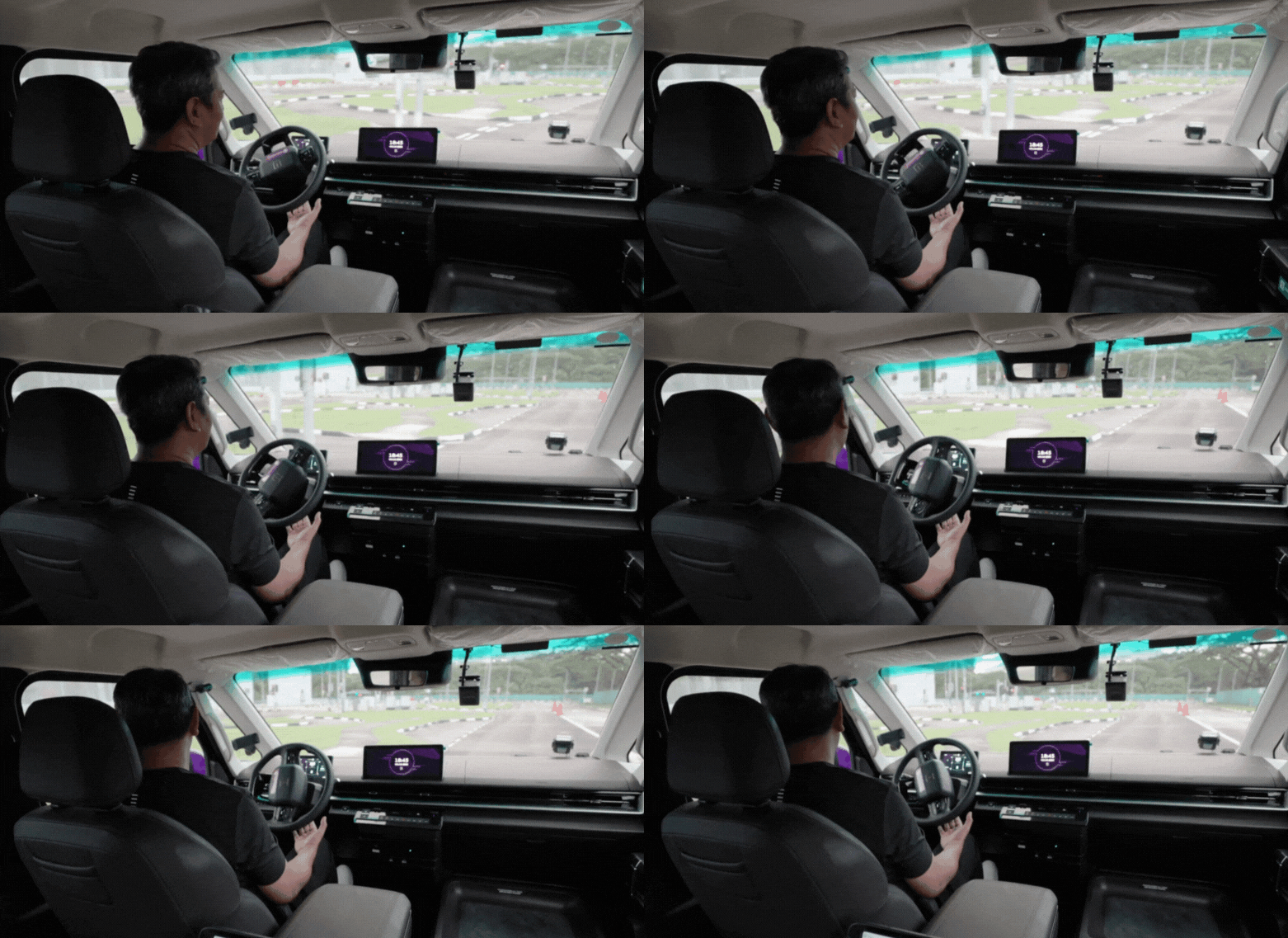
A safety operator will be onboard to take manual control if needed.

Grab has developed a safety operator training curriculum in collaboration with A2Z and WeRide. From AV fundamentals to emergency handling, trainees undergo hours of hands-on experience before certification.

(Read more: Here’s why AVs will create opportunities for Southeast Asia’s workforce)

If anything happens during an AV ride, passengers can also contact a remote safety operator through a dedicated hotline to get help.

Grab is taking a cautious and calibrated approach to autonomous technology pilots. With trusted partners, layered safeguards, every ride will help the AVs learn. Guided by community needs, Grab will ensure smart, safe and reliable rides to solve urban mobility challenges. 

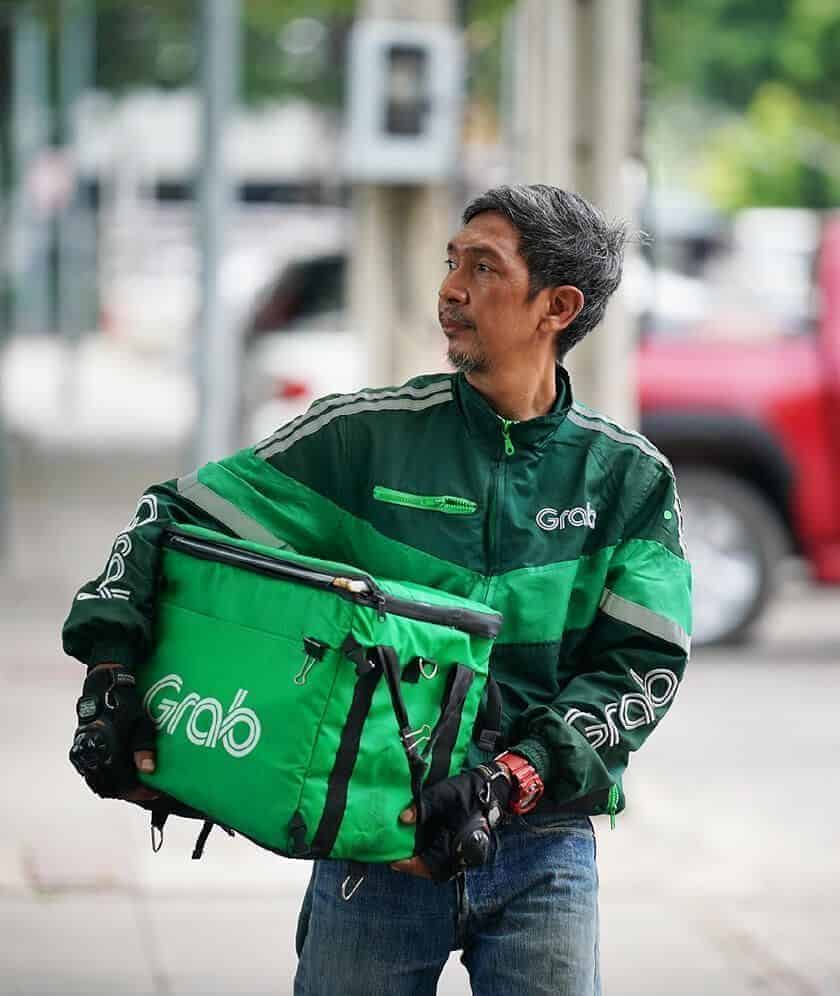
Komsan Chiyadis

GrabFood delivery-partner, Thailand

Komsan Chiyadis

GrabFood delivery-partner, Thailand

COVID-19 has dealt an unprecedented blow to the tourism industry, affecting the livelihoods of millions of workers. One of them was Komsan, an assistant chef in a luxury hotel based in the Srinakarin area.

As the number of tourists at the hotel plunged, he decided to sign up as a GrabFood delivery-partner to earn an alternative income. Soon after, the hotel ceased operations.

Komsan has viewed this change through an optimistic lens, calling it the perfect opportunity for him to embark on a fresh journey after his previous job. Aside from GrabFood deliveries, he now also picks up GrabExpress jobs. It can get tiring, having to shuttle between different locations, but Komsan finds it exciting. And mostly, he’s glad to get his income back on track.