Pontianak, the capital of West Kalimantan province, is small by Indonesian standards: Roughly 700,000 inhabitants and only two shopping malls. But its rich cultural tapestry—with its native Dayak people, a significant Chinese-Indonesian population, and geographic proximity to Malaysia—make it a unique regional hub. Events like the annual Cap Go Meh festival draw crowds from across Indonesia and neighboring Malaysia.

Although everyday life in the city is still shaped by in-person interactions, digital services are becoming part of the landscape, whether for transportation or food delivery, especially among workers and students seeking convenience. 

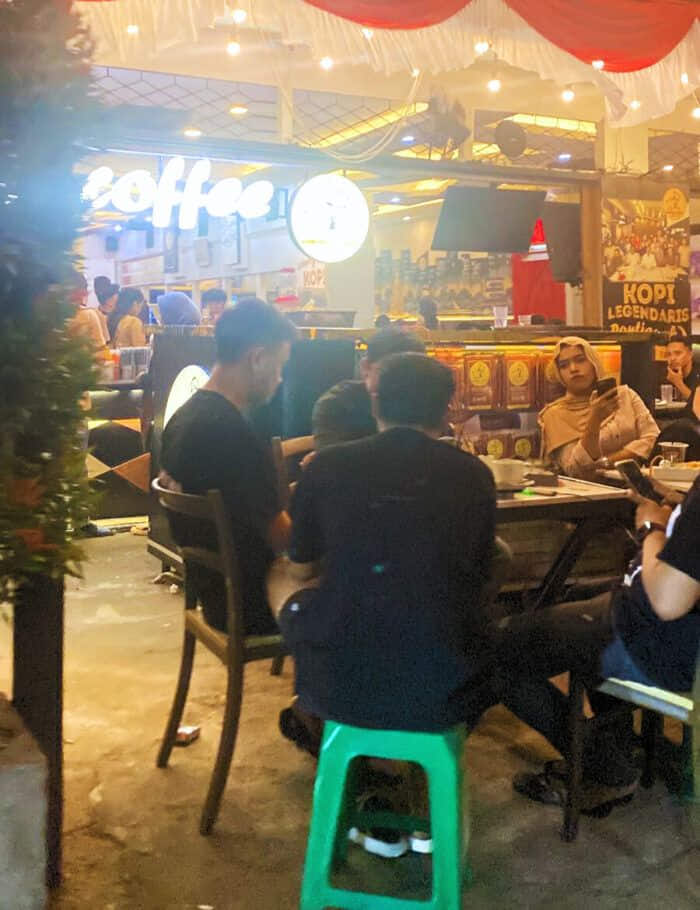
One of Pontianak's many cafes, where residents enjoy sipping coffee until late at night.

This makes Pontianak a good candidate for Grab’s Kota Masa Depan (Future Cities) programme, an initiative launched by Grab Indonesia in partnership with the Indonesian Ministry of Medium, Small, and Micro Enterprises (MSMEs).

The programme aims to support small businesses in Indonesia’s smaller cities—places often overlooked in the digital economy narrative. Since its inception two years ago, Kota Masa Depan has worked with nearly 20 cities. Pontianak has been the focus for the last couple of months.

The programme includes digital training sessions and community gatherings, with the goal of helping MSMEs understand digital business opportunities. They also receive hand-on advice on getting started with selling online.

[Also read:From Garut to Kupang: Grab’s impact on MSME empowerment in Indonesia’s small towns]

Learning from peers

The programme includes sharing sessions by owners of established businesses that already have a flourishing presence online. However, most participants are newcomers—local entrepreneurs, often women or small family businesses, who have never sold online before.

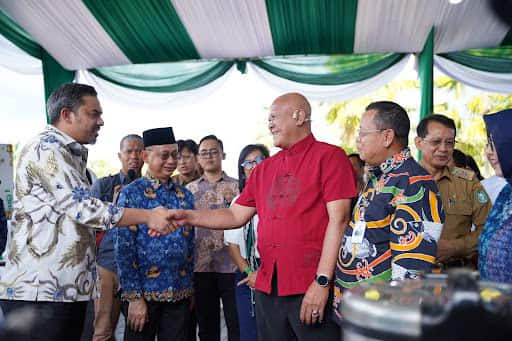
The Minister of Micro, Small, and Medium Enterprises (MSMEs) of the Republic of Indonesia, Maman Abdurrahman [first from left], shaking hands with one of Pontianak's MSME owners, Ko Asiang, who runs a legendary coffee shop. They are accompanied by the Mayor of Pontianak, Edi Rusdi Kamtono [center], during the launch of Kota Masa Depan in Pontianak .

By offering peer learning opportunities, and even direct dialogue with government officials, Kota Masa Depan is helping micro-businesses take their first steps into the digital marketplace.

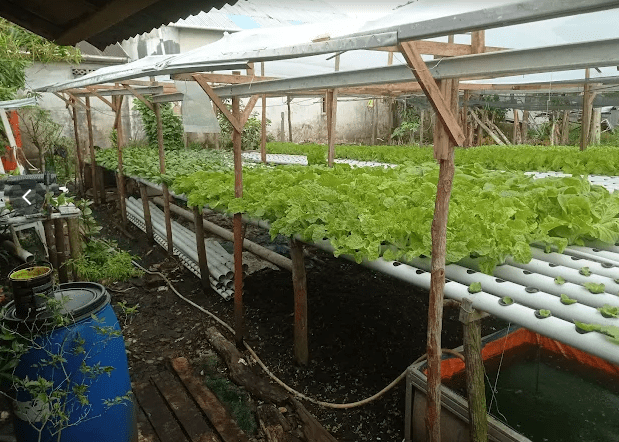
One such newcomer business is Akcaya Hidroponik, a homegrown urban farm founded by Rizky Yahya in 2020. What began on a small terrace with a handful of lettuce plants grew into a venture supplying hydroponic vegetables across Pontianak’s markets and cafes.

Keen to break into the digital space, Rizky joined Kota Masa Depan, seizing the chance not only to learn about online sales via GrabMart, but also to connect directly with policymakers like the Minister of MSMEs. The program offered him new insights, fresh perspectives from fellow entrepreneurs, and the motivation to innovate further.

Urban farm Akcaya Hidroponik began on a small terrace with a handful of lettuce plants and grew into a venture supplying hydroponic vegetables across Pontianak.

For Rizky, the experience became a springboard for future plans: creating processed vegetable products, promoting smart farming technologies, and even launching a hydroponic edutourism site in North Pontianak.

His story exemplifies the spirit of adaptation and entrepreneurship that Kota Masa Depan seeks to ignite—a blending of tradition with technology, rooted in the local community yet open to broader digital horizons.

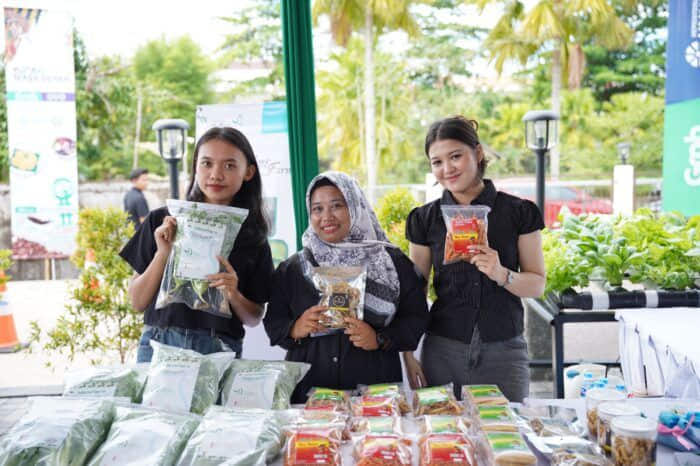
Akcaya Hidroponik's team showcasing the farm's products at an event.

While digitalization in Pontianak is still at an early stage, Grab, in turn, is tailoring its services to local preferences, promoting cost-saving features like group buys to cater to Pontianak’s student population, and highlighting local culinary specialties within its app.

Ultimately, the story of Pontianak and Kota Masa Depan is about more than business. It’s about how a city’s identity can evolve without losing its essence.

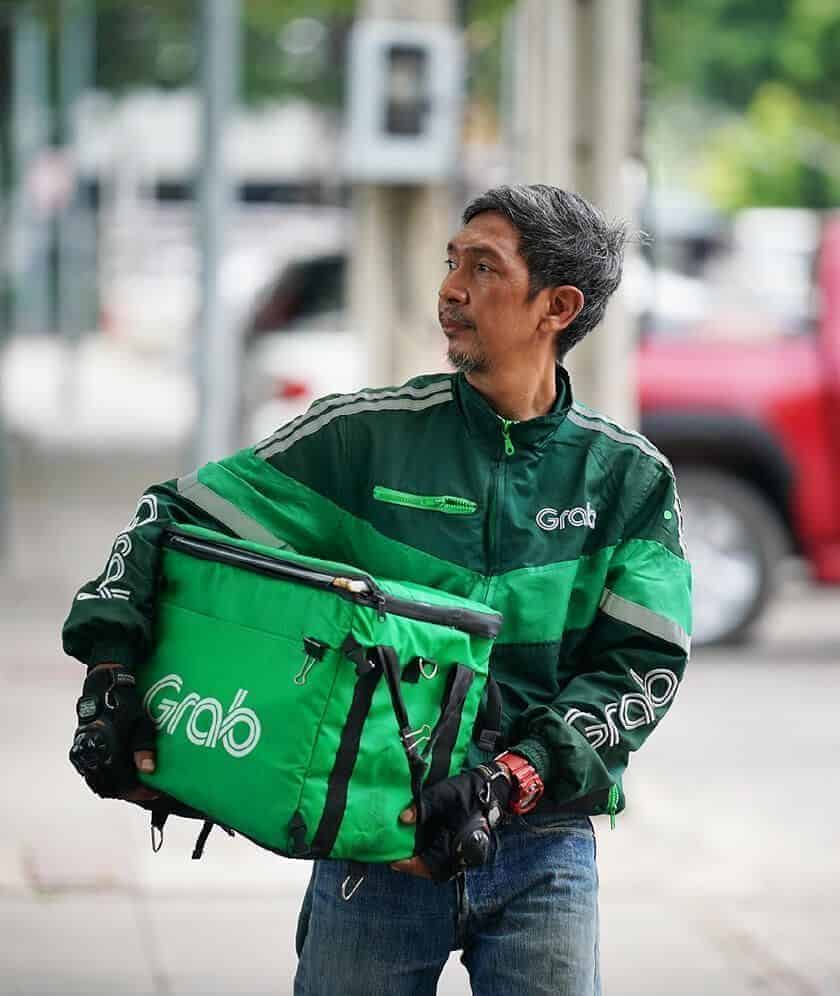
Komsan Chiyadis

GrabFood delivery-partner, Thailand

Komsan Chiyadis

GrabFood delivery-partner, Thailand

COVID-19 has dealt an unprecedented blow to the tourism industry, affecting the livelihoods of millions of workers. One of them was Komsan, an assistant chef in a luxury hotel based in the Srinakarin area.

As the number of tourists at the hotel plunged, he decided to sign up as a GrabFood delivery-partner to earn an alternative income. Soon after, the hotel ceased operations.

Komsan has viewed this change through an optimistic lens, calling it the perfect opportunity for him to embark on a fresh journey after his previous job. Aside from GrabFood deliveries, he now also picks up GrabExpress jobs. It can get tiring, having to shuttle between different locations, but Komsan finds it exciting. And mostly, he’s glad to get his income back on track.