As a tech company in Southeast Asia, we know we can rarely rely on off-the-shelf IT solutions. In many cases, we innovate and build products for the unique conditions of our region.

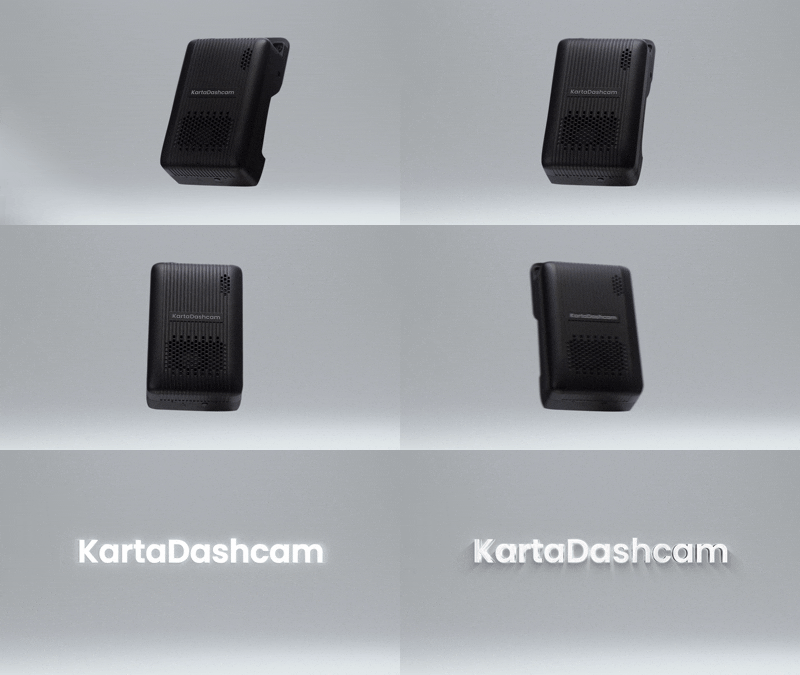
The latest addition to the series of smart devices we’ve designed to solve everyday challenges on our roads is the KartaDashcam (KDC).

KartaDashcam isn’t just another dashboard camera; it is a highly capable tool designed to support and protect our driver-partners in a variety of situations—whether that’s for better connectivity and navigation, or enhanced safety through the built-in alert and emergency call system.

How does the KartaDashcam work?

The KartaDashcam is a small device that is mounted to the dashboard of a vehicle. It captures road footage and (in some markets) it also records audio and video of what’s going on inside the vehicle based on passenger consent.

Unlike standard dashcams that simply record, the KartaDashcam has a built-in AI chipset that allows it to analyse video directly on the device, without needing to upload it to the cloud. This technology is called Edge AI.

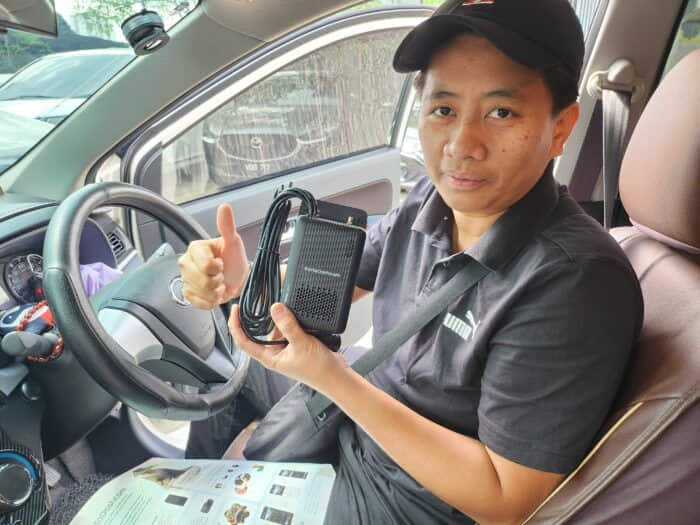
NOOR HERDAWATY SHA BINTI ABDUL LASIM from Malaysia is one of the women driver-partners who participated in Grab's complimentary roll-out of KartaDashcams
Improved connectivity

Having a KartaDashcam on board offers drivers many practical advantages, such as improved connectivity while on the road.

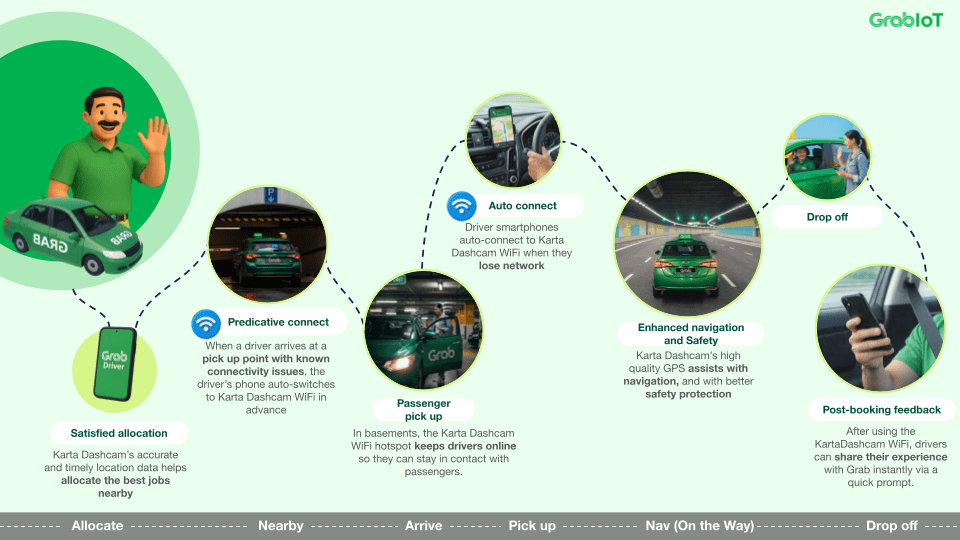
At locations with poor or no mobile network coverage, drivers stay online through their KartaDashcam’s Mobile Virtual Network Operator (MVNO) and improved antenna. This means that the KartaDashcam acts as a Wifi hotspot for drivers, providing better connectivity by going through different network providers and connecting to the strongest one. This also ensures emergency calls and backend integrations are always active. 

For Grab driver-partners, it has the added advantage of helping them stay connected and communicate easily with passengers on the app—even, for example, when navigating an area with weak signal—resulting in fewer trip cancellations

Location accuracy

The KartaDashcam also has an embedded GPS system which offers higher accuracy and coverage than a regular smartphone can. It helps drivers navigate more smoothly thanks to its precise positioning.

Drivers using the KartaDashcam also get to enjoy the device’s built-in dead reckoning (DR) algorithm which improves location accuracy in basements and other urban areas, such as tunnels, that have weak GPS connectivity, thus improving the overall navigation experience.

For Grab driver-partners, accurate and timely location data is important for staying productive on the road, because it helps allocate the rides best suited for their current position and route.

Enhanced safety on the road

The KartaDashcam is more than a practical productivity tool. Since it can “understand” video on the spot thanks to Edge AI, it enhances the road safety of the driver in multiple ways:

  • It automatically saves footage of sudden braking or impacts, capturing evidence for incident resolution if required.
  • In case of an emergency, the driver can alert Grab’s Safety Incident Response Team (IRT) by pressing an SOS button that can be installed alongside the cam. This sends an automatic emergency report to the Grab-IRT which is available for assistance 24/7. The Grab-IRT will also immediately receive video footage from the KartaDashcam which helps assess the situation visually.

With its safety features and ability to record evidence for protection, KartaDashcam is an especially useful companion for our women driver-partners. We’re currently rolling out complimentary KartaDashcams to women driver-partners across the region. 

(Also read: How Grab’s KartaDashcam is safeguarding women driver-partners)

Beyond Grab: KartaDashcam’s many use cases

The KartaDashcam has many use cases that extend far beyond Grab’s ecosystem. For fleet operators, equipping vehicles with KartaDashcams can provide visibility into vehicle locations, driving events and recorded footage, helping fleet teams investigate incidents, coach safer driving and improve operational efficiency.

KartaDashcams can also support public transport operators, construction fleets and industrial vehicles by helping teams monitor vehicles across routes or worksites, identify risky driving events and review footage after incidents. This can strengthen safety oversight and operational control, particularly in complex or high-risk environments.

Looking ahead, we’re working on more features that build upon the KartaDashcam’s Edge AI capabilities. 

For example,  real-time detection technology can give off an audio alert about risks like front-end collisions, lane departures, and pedestrians on the road.

In Karta Dashcams with an inward-facing camera, it could alert drivers in case it detects drowsiness or fatigue to keep drivers focused.

These devices are more than a cool gadget; They’re a vital part of the Grab ecosystem. By equipping vehicles with KartaDashcams, we aren’t just recording the road—we are building a safer, more connected Southeast Asia, one kilometer at a time.

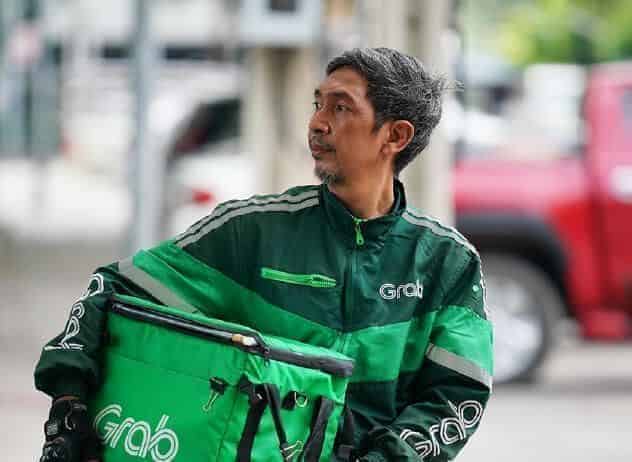
Komsan Chiyadis

GrabFood delivery-partner, Thailand

Komsan Chiyadis

GrabFood delivery-partner, Thailand

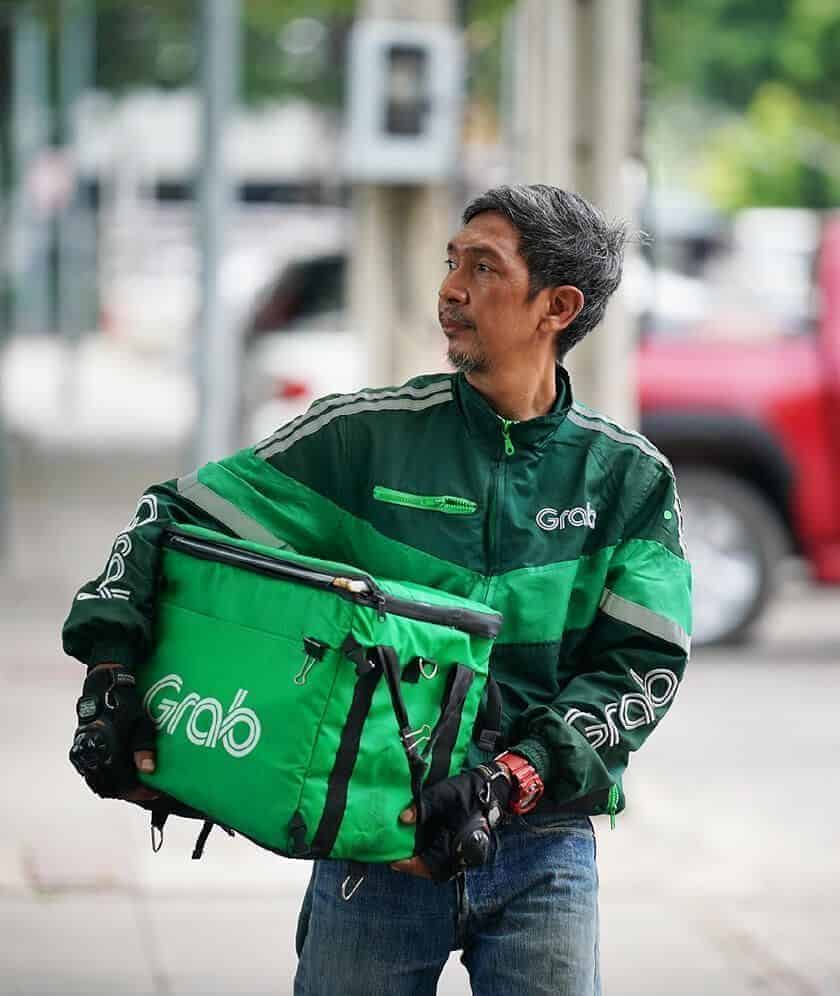
COVID-19 has dealt an unprecedented blow to the tourism industry, affecting the livelihoods of millions of workers. One of them was Komsan, an assistant chef in a luxury hotel based in the Srinakarin area.

As the number of tourists at the hotel plunged, he decided to sign up as a GrabFood delivery-partner to earn an alternative income. Soon after, the hotel ceased operations.

Komsan has viewed this change through an optimistic lens, calling it the perfect opportunity for him to embark on a fresh journey after his previous job. Aside from GrabFood deliveries, he now also picks up GrabExpress jobs. It can get tiring, having to shuttle between different locations, but Komsan finds it exciting. And mostly, he’s glad to get his income back on track.