Top 10 Attractions in Labuan, Malaysia
Content
1. Labuan War Cemetery
The Labuan War Cemetery is a solemn and beautifully maintained site commemorating thousands of Commonwealth soldiers who lost their lives during World War II. Set in serene surroundings just a short drive from the city center, this cemetery is the largest of its kind in Malaysia and serves as the final resting place for Allied troops, many of whom were prisoners of war during the conflict. Walking among the rows of white headstones, visitors can reflect on the sacrifices made during the Borneo campaign, with plaques and memorials providing context and personal stories about those honored here.
Visiting the Labuan War Cemetery offers a powerful and moving experience, whether you’re a history enthusiast or simply seeking a quiet spot for reflection. The grounds are immaculately kept, with lush gardens and shade trees that create a respectful atmosphere. This site is a reminder of Labuan’s pivotal role in WWII and is an important stop for anyone looking to understand the deeper history of this otherwise tranquil island.
2. Labuan Museum
The Labuan Museum is a must-visit spot for anyone wanting to dive deeper into the unique culture and rich history of Labuan. Housed in a charming colonial-era building right in the heart of the city, the museum offers a fascinating journey from Labuan’s early days as a trading port to its roles in World War II and beyond. The exhibits are well-curated, with detailed displays of artifacts, photographs, and stories that bring the island’s diverse past to life, making it easy to understand what makes Labuan so special.
What’s great about the Labuan Museum is how accessible and engaging it feels—whether you’re a history buff or just a curious traveler. You’ll find insights into the island’s multicultural heritage, including its Malay, Chinese, and indigenous influences, as well as thoughtful exhibitions about local industries and everyday life. It’s a perfect spot to spend an hour or two and get acquainted with Labuan’s story before exploring more of the island’s sights.
3. Labuan International Sea Sports Complex
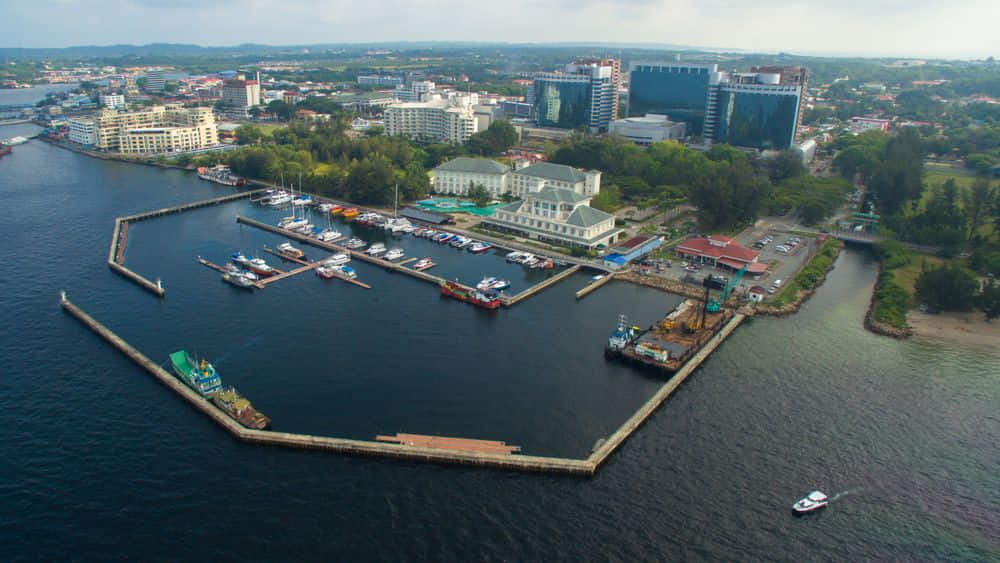
The Labuan International Sea Sports Complex is a top spot for anyone visiting Labuan who wants to experience the island’s vibrant maritime culture. Located right along the waterfront, this modern venue hosts a variety of annual sea sports events, including thrilling powerboat races, jet ski competitions, and traditional boat regattas. Even if you’re not visiting during a major event, the complex offers stunning sunset views over the South China Sea, making it a perfect place for a leisurely stroll and some great photo ops.
Inside the complex, visitors will also find informative exhibitions about Labuan’s nautical history and marine life, plus a selection of local food stalls and cafes serving up fresh seafood and Malaysian favorites. Whether you’re an adrenaline seeker looking to join water sports activities or just in the mood to soak up the lively atmosphere by the sea, the Labuan International Sea Sports Complex is a must-visit destination on the island.
4. Peace Park (Taman Damai)
Peace Park, known locally as Taman Damai, is a beautifully landscaped memorial site in Labuan, Malaysia, commemorating the end of World War II and serving as a testament to peace and reconciliation. With its serene lakes, manicured gardens, and symbolic monuments—including a striking obelisk dedicated to the memory of those who lost their lives—it’s a place where history and tranquility meet. The park’s gentle walking paths and shaded pavilions make it an inviting spot for both quiet reflection and scenic strolls, especially if you’re interested in understanding Labuan’s significant wartime history.
Visiting Peace Park offers more than just a history lesson; it’s also a visual treat, thanks to its careful landscaping and the scenic views over the surrounding area. While wandering through the grounds, you’ll often spot local families enjoying picnics or groups of friends snapping photos by the iconic arches and bridges. It’s conveniently located near the Labuan War Cemetery and Surrender Point, making it easy to experience several of the island’s key historical landmarks in one relaxing day.
5. Surrender Point
Surrender Point in Labuan, Malaysia, is a landmark steeped in history and solemn reflection. This peaceful seaside site marks the exact spot where the Japanese forces officially surrendered to the Australian troops at the end of World War II, in September 1945. The area features a simple yet evocative monument, shady trees, and interpretive plaques explaining the significance of the event. It's the kind of place that invites visitors to pause, take in the tranquil coastal views, and appreciate the historical weight of what occurred here.
While Surrender Point is less crowded than other tourist destinations, it’s a must-visit for travelers interested in Malaysia’s wartime past. The memorial, beautifully maintained, often draws visitors who combine their trip with a stop at the nearby Labuan War Cemetery. Together, these sites offer a moving journey through history and an opportunity to remember those who fought and sacrificed on this island. Whether you’re a history buff or simply seeking a quiet spot with a story to tell, Surrender Point is worth a visit when exploring Labuan.
6. Labuan Marine Museum
The Labuan Marine Museum is a must-see for anyone visiting this charming Malaysian island, especially if you have an interest in the ocean’s hidden wonders. Housed within the imposing International Sea Sports Complex, the museum showcases Labuan’s rich maritime heritage and the extraordinary biodiversity found in surrounding waters. Highlights include detailed ship models, historic artifacts from shipwrecks, and 16 thoughtfully curated galleries filled with mesmerizing displays of coral reefs, marine life, and local fishing traditions.
Strolling through the museum, you’ll find eye-catching aquariums teeming with live sea creatures, providing an up-close look at the vibrant marine ecosystem of Borneo. With its family-friendly layout and engaging exhibits, the Labuan Marine Museum is a laid-back spot to cool off, learn something new, and spark your curiosity about the aquatic life that makes this region so special. Don’t forget your camera—there are plenty of colorful photo ops along the way!
7. The Chimney
The Chimney stands as one of Labuan's most intriguing landmarks, shrouded in local mystery and colonial history. Rising 32 meters high, this red-brick tower is believed to date back to the early 1900s, when the British were heavily involved in coal mining on the island. Although the exact purpose of The Chimney remains a topic of debate—some say it was a ventilation shaft, others believe it was part of a light beacon—its unique design and the air of intrigue make it a must-visit spot for curious travelers.
The surrounding area offers more than just a photo opportunity; the on-site Chimney Museum provides fascinating insights into Labuan's coal-mining era and the lives of workers who once called this area home. Exploring the lush grounds and enjoying the panoramic views from the base of the tower give a sense of Labuan’s colonial past blending seamlessly with present-day beauty. Whether you're a history buff or simply looking to snap some unique photos, The Chimney is a memorable stop on any Labuan itinerary.
8. Labuan Bird Park
Labuan Bird Park is a hidden gem for wildlife enthusiasts visiting Labuan, Malaysia. Nestled on the northern tip of the island near the Chimney Museum, this peaceful sanctuary is home to over 600 birds from more than 60 different species both native and exotic. The park’s lush, landscaped enclosures mimic natural habitats, making it easy to spot colorful hornbills, majestic peacocks, and even the elusive Borneo bristlehead as you wander the leafy paths.
What sets Labuan Bird Park apart is its dedication to conservation and education. Informative displays line the walkways, giving you a deeper look at the lives and habitats of Malaysia’s diverse birdlife. It’s a great spot for families, bird lovers, or anyone looking for a relaxing break amid Labuan’s historical sites. Don’t forget your camera—between the vivid plumage and the tranquil setting, there are plenty of photo opportunities to capture your visit.
9. Labuan Botanical Garden
The Labuan Botanical Garden is an unexpected oasis in the heart of Labuan, offering travelers a relaxing break from the city’s bustling streets. This sprawling garden is set on the grounds of a historic former government house, and visitors can meander along shaded walking trails lined with ancient trees, colorful orchids, and a variety of local flora that showcase Malaysia’s lush biodiversity. It’s a favorite spot for locals to relax, have a picnic, or enjoy early morning jogs, making it a peaceful place to connect with nature amid tropical surroundings.
Beyond just the greenery, the park also contains scenic ponds, charming bridges, and well-maintained lawns that invite visitors to linger. Information boards are scattered throughout, giving you insights into the garden’s botany and rich history. Whether you’re after a quiet stroll, some local bird-watching, or just a tranquil spot to sit for a while, the Labuan Botanical Garden is definitely worth a visit while you’re exploring Labuan, Malaysia.
10. Pohon Batu Beach
Pohon Batu Beach is a laid-back gem located on the west coast of Labuan Island, Malaysia, perfect for travelers seeking a peaceful escape from the city bustle. The beach is known for its soft golden sand, inviting shallow waters, and iconic rock formations, including the “pohon batu” (stone tree) itself—a unique natural pillar that gives the spot its name. During low tide, locals and visitors often comb the shoreline for seashells or simply relax with the gentle sound of the waves as a soundtrack.
This beachfront haven is especially stunning at sunset, when the sky is painted with vibrant hues over the calm South China Sea. There are a few rustic stalls nearby selling coconut drinks and local snacks, making it easy to spend an afternoon unwinding by the water. Whether you’re after scenic photography, a quiet stroll, or just a lazy lounge on the sand, Pohon Batu Beach is a simple yet rewarding addition to any Labuan itinerary.