Top 10 Attractions in Ayutthaya, Thailand
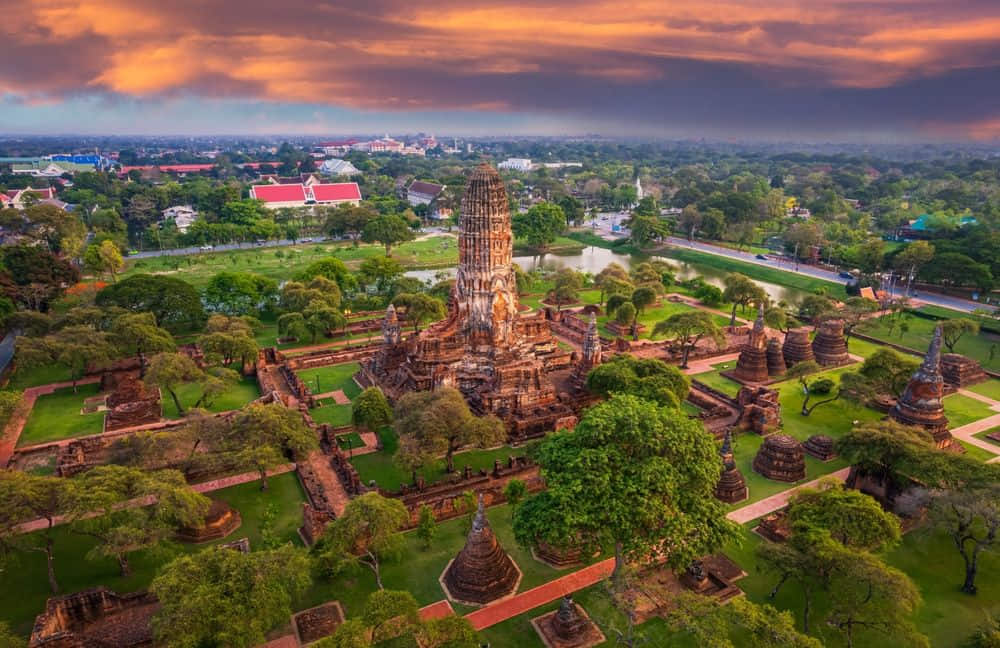
Content
1. Wat Mahathat
Wat Mahathat is one of Ayutthaya's most iconic temple ruins, famous for its ancient prang (Khmer-style tower) and the mysterious Buddha head entwined in the roots of a banyan tree. Once the religious heart of the old capital, this atmospheric site dates back to the 14th century and was a key center for Buddhist monks and relics during the Ayutthaya Kingdom. Wandering through the crumbling red-brick chedis and mossy walls, you’ll get a sense of the city’s lost grandeur and spiritual significance.
The highlight for many visitors is the photogenic Buddha head, surrounded by creeping tree roots—a captivating blend of nature and history that's unique to Wat Mahathat. Early mornings or late afternoons are the best times to explore, when the light is soft and crowds are thinner. With its central location and haunting beauty, Wat Mahathat is a must-see stop for anyone delving into the ancient wonders of Ayutthaya, Thailand.
2. Wat Phra Si Sanphet
Wat Phra Si Sanphet is one of the most iconic and historically significant temples in Ayutthaya, Thailand. Located in the heart of the ancient capital’s historical park, this grand ruin was once the royal temple within the grounds of the old Royal Palace. The temple is particularly famous for its three impressive bell-shaped chedis, which house the ashes of Ayutthaya's kings, and the evocative ruins that provide a glimpse into the city’s past glory. Exploring the central courtyard and wandering among toppled Buddha statues and weathered stupas truly feels like stepping back in time.
Architecturally, Wat Phra Si Sanphet stands out for the symmetry and scale of its chedis, which are a hallmark of Ayutthayan design. Unlike many temples in Thailand, this site was never home to monks, adding to its unique royal atmosphere. The temple’s serene, open grounds make it a fantastic spot for photography, especially during golden hour or early in the morning before the crowds arrive. For anyone interested in Thailand’s rich cultural heritage, Wat Phra Si Sanphet is a must-see and an unmissable highlight of Ayutthaya’s UNESCO-listed ruins.
3. Ayutthaya Historical Park
Ayutthaya Historical Park is an unforgettable stop for anyone visiting Thailand’s ancient capital. This UNESCO World Heritage Site features sprawling temple ruins, crumbling prangs, and serene Buddha statues nestled among lush trees. Wandering through the park feels like stepping back in time—massive brick stupas and monumental chedis rise overhead, telling stories of the once-mighty kingdom that thrived here centuries ago.
The highlights include Wat Mahathat, famous for the iconic Buddha head entwined in tree roots, and Wat Phra Si Sanphet with its trio of elegant chedis. Rent a bike to explore the vast grounds, or simply wander on foot, taking in the tranquil atmosphere and impressive history. Ayutthaya Historical Park is a must-see destination that lets you soak up the mystery and beauty of Thailand’s royal past.
4. Wat Chaiwatthanaram
Wat Chaiwatthanaram is one of Ayutthaya’s most breathtaking temples, perched along the west bank of the Chao Phraya River. Built in 1630 by King Prasat Thong, this sprawling Buddhist temple complex is instantly recognizable for its towering central prang (Khmer-style stupa) surrounded by smaller chedis, all set amidst expansive lawns. The intricate details on the brick and stucco structures, as well as the decapitated Buddha statues scattered around, tell stories of Ayutthaya’s grandeur and its turbulent past at the hands of invading armies.
Visiting Wat Chaiwatthanaram feels like stepping into a living history book. The setting is especially atmospheric at sunset, when the golden light bathes the ancient ruins, making it a photographer's dream. You can wander the temple grounds, climb up some of the platforms, and even catch river views from the edge. It's a must-see for anyone exploring Ayutthaya, not just for its beauty, but also for the sense of quiet majesty and nostalgia it imparts.
5. Wat Yai Chai Mongkhon
Wat Yai Chai Mongkhon is one of the most iconic and atmospheric temples in Ayutthaya, offering a glimpse back into the city’s fascinating past as Thailand’s former capital. Built in 1357, its massive central chedi dominates the skyline, surrounded by rows of serene, saffron-robed Buddha statues. Climbing the steep steps of the chedi rewards visitors with panoramic views over the temple complex and the lush countryside beyond—a perfect spot for photography and quiet reflection.
Beyond its impressive architecture, Wat Yai Chai Mongkhon buzzes with local life and spirituality. As you explore the temple grounds, you’ll likely see monks in bright robes going about their daily routines and locals making offerings at the altars. The temple is easy to reach from central Ayutthaya, and its peaceful atmosphere makes it an ideal stop for travelers wanting to soak up authentic Thai culture amidst ancient ruins. Don’t forget to explore the reclining Buddha statue, tucked away in a quieter corner of the temple grounds!
6. Wat Phanan Choeng
Wat Phanan Choeng is one of Ayutthaya’s most revered temples, known for its colossal seated Buddha image, which stands an impressive 19 meters tall. Dating back to 1324, this riverside temple actually predates the founding of Ayutthaya itself, making it not only a site of spiritual significance but also a fascinating window into the region’s earliest history. Inside, the golden Buddha, draped in saffron robes, draws both locals and visitors seeking blessings, especially those with connections to the river and seafaring traditions.
The temple’s peaceful grounds offer a serene break from the well-trodden historical park, with intricate Chinese influences woven into its architecture and decor, reflecting Ayutthaya’s old trading connections. Just a short tuk-tuk ride from the city center, Wat Phanan Choeng is a must-visit for anyone interested in Thailand’s rich religious heritage or looking to experience the quieter side of Ayutthaya beyond its famous ruins.
7. Bang Pa-In Royal Palace
The Bang Pa-In Royal Palace is one of the most stunning historical sites you can visit near Ayutthaya, Thailand. Originally dating back to the 17th century, this summer palace complex was extensively restored by King Rama IV and King Rama V, resulting in a unique mix of Thai, Chinese, and European architectural styles. As you wander through its manicured gardens, tranquil ponds, and ornate halls, you'll find impressive structures like the elegant Phra Thinang Wehart Chamrun and the striking Sages’ Lookout Tower, each with its own story and charm.
Located just a short drive south of Ayutthaya’s ancient ruins, the palace offers a peaceful escape from the busier temple sites. Early mornings or late afternoons are the best times to visit, when the grounds are quiet and the light is perfect for photography. Don’t forget to dress modestly, as this is an active royal site, and take your time exploring the mix of pavilions, bridges, and lush gardens that showcase the royal grandeur of Thailand’s past.
8. Wat Lokayasutharam
Wat Lokayasutharam is one of Ayutthaya’s most striking temples, best known for its monumental Reclining Buddha statue. Measuring an impressive 37 meters in length, this serene Buddha rests under the open sky, radiating a tranquil energy that draws travelers and locals alike. While much of the surrounding temple complex lies in atmospheric ruins, the sheer scale of the reclining figure, adorned with vibrant orange robes, makes it a must-see and an incredible photo opportunity in the heart of the ancient city.
Nestled just outside the main island of Ayutthaya, Wat Lokayasutharam is easy to reach by bicycle or tuk-tuk, and its peaceful setting contrasts beautifully with the bustling market nearby. The site offers a unique glimpse into Ayutthaya’s history and spiritual heritage, inviting visitors to slow down and reflect amidst the remnants of this once-majestic kingdom. Don’t forget to wander the grounds and imagine the grandeur that once was, before moving on to explore more of Ayutthaya’s legendary temples.
9. Wat Phu Khao Thong
Wat Phu Khao Thong is one of Ayutthaya’s most striking landmarks, rising proudly from the surrounding rice fields just northwest of the old city. This unique temple, also known as the “Golden Mountain,” features a dramatic white chedi with a golden spire that can be seen from a distance. Built in the mid-16th century, the monument blends Burmese and Thai architectural styles, reflecting the city’s tumultuous history as it changed hands between these two powers. Climbing the broad steps to the chedi’s base rewards visitors with sweeping views of the rural landscape and distant city ruins.
Despite being less visited than the main historical park, Wat Phu Khao Thong offers a peaceful atmosphere to explore away from the crowds. You can wander through the temple grounds, admire age-old Buddhist statues, and see remnants of ancient murals. It’s a great spot for photography, especially in the golden light of late afternoon, and well worth the short bike or tuk-tuk ride from central Ayutthaya. If you’re looking for an off-the-beaten-path experience with impressive history and panoramic vistas, don’t miss this gem on your Ayutthaya itinerary.
10. Chao Sam Phraya National Museum
The Chao Sam Phraya National Museum is a must-visit for history buffs exploring Ayutthaya, Thailand. Located near the island’s central temple ruins, this museum showcases some of the most impressive relics unearthed from the old city, including golden Buddha images, lavish royal treasures, and intricate Buddhist art. The main draws are the glittering gold artifacts discovered inside the crypts of Wat Ratchaburana and Wat Mahathat, giving visitors a rare glimpse into Ayutthaya’s grand past as the heart of a powerful Siamese kingdom.
Wandering through its spacious galleries, you’ll find informative exhibits with English signage, making it easy to understand the historical significance of each piece. The open-air pavilions are also filled with colossal Buddha heads and sculpted stone fragments, all beautifully displayed in peaceful surroundings. The Chao Sam Phraya National Museum is the perfect spot to deepen your appreciation for Ayutthaya’s artistic and cultural legacy before or after exploring the city’s famous temples.