Top 10 Attractions in Phnom Penh, Cambodia
Content
1. Royal Palace
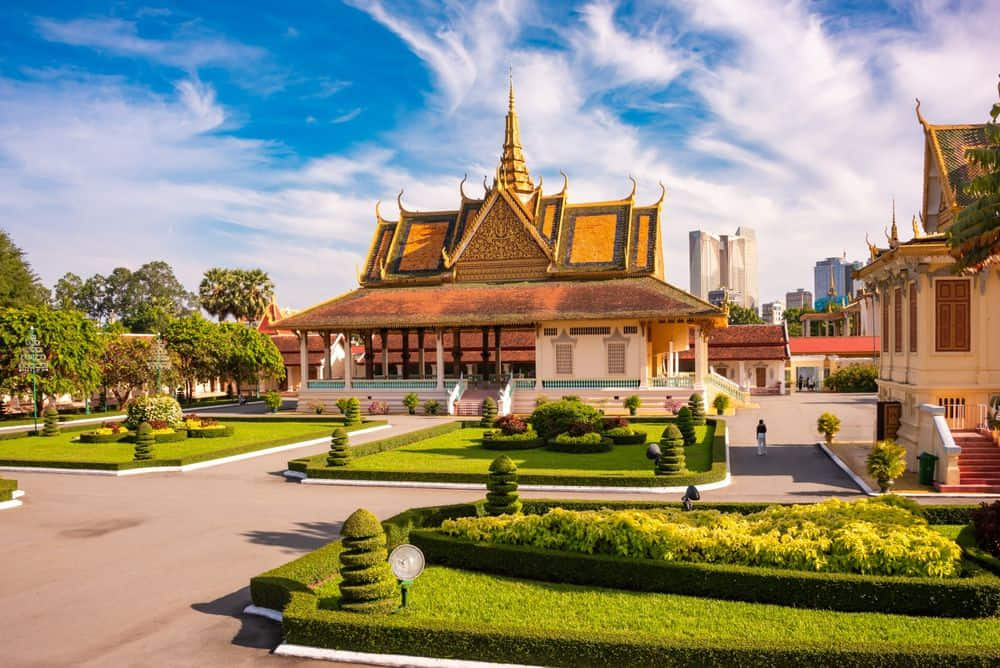
The Royal Palace in Phnom Penh is one of Cambodia’s most iconic landmarks, and a must-visit for anyone exploring the capital. With its classic Khmer architecture and manicured tropical gardens, the palace complex feels like stepping into a living piece of history. The most impressive structure inside is the Silver Pagoda, named for the more than 5,000 silver tiles that cover its floor. You’ll also see intricate golden spires glinting in the sun and ornate murals telling stories from Cambodia’s past.
Located along the banks of the Tonle Sap River, the Royal Palace isn’t just an architectural wonder—it’s still the official residence of the King of Cambodia. Parts of the complex are closed to the public, but the main temples and pavilions are open for visitors to explore at their own pace. Early morning or late afternoon visits are best for quieter crowds and softer, golden light that makes the whole palace glow. Remember to dress respectfully: shoulders and knees should be covered during your visit.
2. Silver Pagoda
The Silver Pagoda, nestled within the grounds of Phnom Penh’s Royal Palace, is one of Cambodia’s most cherished cultural landmarks. Known locally as Wat Preah Keo Morakot, it’s famed for its floor covered with over 5,000 gleaming silver tiles—hence the name. The interior houses a dazzling array of national treasures, including the Emerald Buddha of Cambodia and a life-sized golden Buddha statue encrusted with thousands of diamonds. The blend of luxurious ornamentation and spiritual significance makes a visit here truly unforgettable.
Strolling through the Silver Pagoda complex, you'll also find mural paintings, intricately crafted stupas, and lush gardens providing a peaceful respite from the city’s bustle. The temple serves as a living testament to Cambodia’s Buddhist heritage and royal history, making it an essential stop for anyone seeking a deeper understanding of Phnom Penh’s cultural identity. Don’t forget your camera—every corner of this sacred site offers something spectacular to admire!
3. Tuol Sleng Genocide Museum (S21)
The Tuol Sleng Genocide Museum, known historically as S21, is one of Phnom Penh’s most emotional and significant sites. Housed in a former high school, this haunting complex was infamously converted into a security prison by the Khmer Rouge regime in the 1970s. Walking through its somber corridors, visitors can see preserved cells, barbed wire, and exhibitions detailing the tragic stories of the thousands who suffered here. While it’s a difficult experience, the museum stands as a vital place for learning and remembrance, helping visitors understand Cambodia’s turbulent past.
The exhibits include personal accounts, haunting photographs, and chilling artifacts that paint a sobering picture of life under the Khmer Rouge. Guided tours are available for deeper context, and visiting this memorial is considered a must for travelers who wish to gain a true sense of Cambodian history and resilience. While it’s not the easiest attraction to visit, the Tuol Sleng Genocide Museum offers a powerful opportunity to honor the memory of those lost and to reflect on the importance of human rights.
4. Wat Phnom
Wat Phnom is one of Phnom Penh’s most iconic landmarks, perched atop a leafy hill right in the heart of Cambodia’s bustling capital. This serene Buddhist temple dates back to the 14th century and is considered the birthplace of the city itself, making it a site loaded with legend and local history. The photogenic white stupa rises 27 meters above the surrounding cityscape, framed by towering trees and crisscrossed with winding staircases often lined with vendors and flower sellers.
Visitors heading up to Wat Phnom will be greeted by ornate sculptures, guardian lions, and colorful murals that illustrate ancient Buddhist tales. The temple’s tranquil grounds are perfect for a relaxing stroll, and you might even glimpse locals lighting incense or releasing birds for good luck. Whether you’re interested in Phnom Penh’s spiritual heritage or just after some panoramic city views, Wat Phnom is a must-see highlight that effortlessly blends culture, legend, and lively local tradition.
5. National Museum of Cambodia
The National Museum of Cambodia is a must-see landmark in Phnom Penh, especially for anyone interested in Khmer history and culture. Housed in a striking terracotta building with classic Khmer architecture, the museum sits just a short walk from the Royal Palace and offers an in-depth look at Cambodia's ancient heritage. Inside, you’ll find an impressive collection of over 14,000 artifacts, including centuries-old sculptures, ceramics, bronzes, and religious relics from the Angkor era and earlier.
Wandering through the museum’s tranquil gardens and galleries gives you a deeper appreciation for the country’s rich artistic and spiritual traditions. The serene courtyard, dotted with tropical plants and lotus ponds, is a relaxing spot to escape the city buzz for a while. Whether you’re a history buff or just curious about Cambodia’s past, the National Museum of Cambodia is an essential stop to understand the roots of Khmer civilization before you head out to explore more of Phnom Penh and beyond.
6. Independence Monument
The Independence Monument is a striking landmark in the heart of Phnom Penh, Cambodia, and stands as a proud symbol of the country's liberation from French colonial rule in 1953. Resembling a lotus-shaped stupa, this monument is both architecturally impressive and deeply significant. It comes alive at dusk, glowing with soft lights that highlight its intricate Khmer design, making it a favorite spot for both locals and photographers eager to capture its grandeur against the evening sky.
Located at the intersection of Norodom and Sihanouk Boulevards, the monument sits in the middle of a busy roundabout, surrounded by well-kept gardens and fountains. It's a focal point for national celebrations, especially during Independence Day and other public holidays. Travelers can easily combine a visit here with a stroll along the nearby riverside, to soak up the local atmosphere and appreciate a piece of Cambodian history right in the city center.
7. Choeung Ek Genocidal Center (Killing Fields)
One of the most haunting and important historical sites near Phnom Penh is the Choeung Ek Genocidal Center, often known as the Killing Fields. Located about 17 kilometers south of the city center, this memorial marks the site where thousands of Cambodians were executed under the Khmer Rouge regime in the late 1970s. Today, visitors can pay their respects at the Buddhist stupa filled with more than 8,000 human skulls and walk through the peaceful grounds while listening to an insightful audio tour that explains the sobering events that took place here.
While a visit to Choeung Ek can be emotionally challenging, it offers a profound look into Cambodia's tragic history and serves as a powerful reminder of the resilience of its people. Many travelers choose to combine this experience with a trip to the Tuol Sleng Genocide Museum in Phnom Penh to gain a deeper understanding of the Khmer Rouge era. Dress respectfully, and take time to reflect—this is a place meant for remembrance, education, and honoring the victims.
8. Central Market (Phsar Thmey)
Central Market, locally known as Phsar Thmey, is an iconic landmark in the heart of Phnom Penh that you can’t miss. This striking art deco building, with its impressive yellow dome and sprawling arms, is more than just a place to shop—it’s a testament to Cambodian history and culture. As you wander through its bustling halls, you’ll find everything from jewelry and fresh produce to souvenirs, clothing, and local snacks, all offered by friendly vendors eager to share a smile or bargain.
Although it’s a hub for daily commerce, Central Market is also a great spot to soak up the city’s atmosphere and observe local life in action. Don’t forget to bring your camera—the unique architecture and vibrant displays make for some fantastic photo ops. Whether you’re hunting for a keepsake, trying local street food, or just people-watching from a shaded corner, Phsar Thmey perfectly encapsulates Phnom Penh’s dynamic spirit and charm.
9. Russian Market (Phsar Toul Tom Poung)
The Russian Market, locally known as Phsar Toul Tom Poung, is one of Phnom Penh's most popular and vibrant shopping destinations. Tucked away in the southern part of the city, this bustling market is a treasure trove for both locals and travelers searching for everything from souvenirs and handicrafts to vintage clothing and local artwork. Its name “Russian Market” actually comes from the 1980s, when Russian expats shopped here in large numbers, but today, people from all walks of life swarm its narrow aisles to enjoy its unique blend of Cambodian culture and international flair.
Wandering through the market’s maze-like layout is an experience in itself. The stalls are packed closely together, creating an energetic atmosphere filled with the scents of fresh food, fragrant spices, and sizzling street snacks. This is a fantastic spot to sample authentic Khmer dishes, shop for silk scarves, or pick up handcrafted silver jewelry. Whether you're looking for a bargain or simply want to soak up the local vibes, Phsar Toul Tom Poung promises a memorable Phnom Penh adventure.
10. Sisowath Quay (Riverside)
Sisowath Quay, also known as Phnom Penh’s Riverside, is the city’s bustling riverfront promenade where the Tonle Sap, Mekong, and Bassac rivers meet. This lively, tree-lined avenue stretches for several kilometers and is dotted with colonial-era buildings, cozy cafés, rooftop bars, street food carts, and boutique shops, all with sweeping views of the water. It’s especially vibrant in the late afternoon and evening, as locals and tourists gather here to watch the sunset or take a relaxing stroll along the illuminated riverside.
Beyond the scenic river views, Sisowath Quay is a perfect starting point for exploring Phnom Penh’s culture and vibrant street life. The Royal Palace and Silver Pagoda are just steps away, while boat tours depart frequently from the quayside. As night falls, the atmosphere becomes electric with live music, market stalls, and riverside restaurants serving everything from Khmer classics to international favorites, making it a must-visit destination for anyone experiencing Cambodia’s capital.