Top 10 Attractions in Hoi An, Vietnam
Content
1. Hoi An Ancient Town
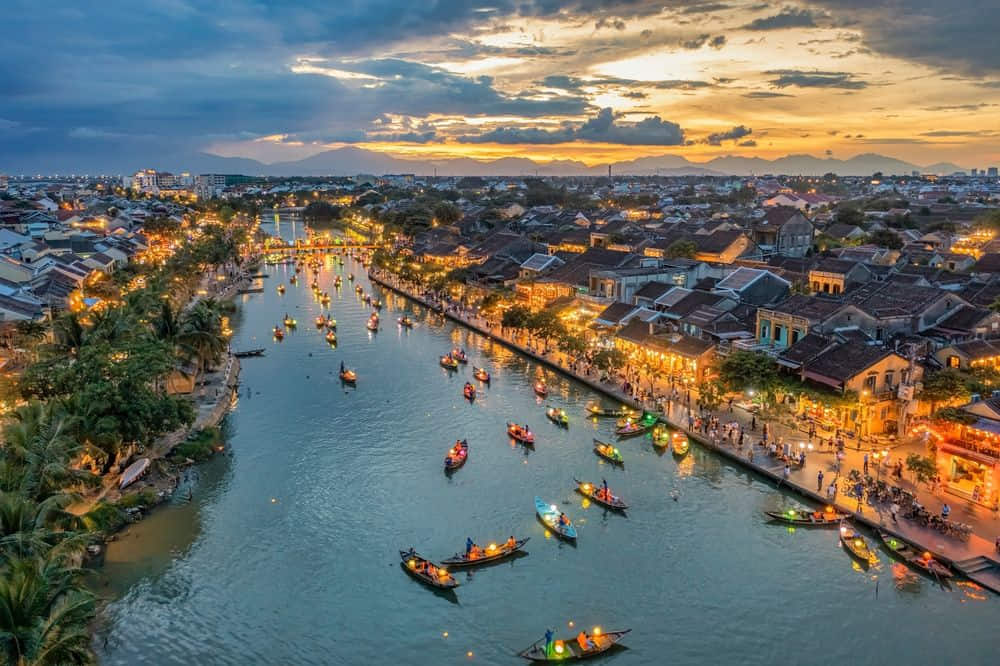
Hoi An Ancient Town is undoubtedly the heart and soul of Hoi An, and it’s easy to see why this UNESCO World Heritage Site draws travelers from all over the globe. With its lantern-lit streets, centuries-old merchant houses, and winding alleys, the Old Town feels frozen in time. You can spend hours wandering here, soaking up the blend of Chinese, Japanese, and French influences in the architecture, stopping at quaint cafes for a banh mi or a cup of local coffee, and catching sunset views along the peaceful Thu Bon River.
The best time to experience Hoi An Ancient Town is in the evening, when the old streets come alive with colorful lanterns and lively night markets. Don’t miss the chance to try traditional street food, browse handmade goods, and take part in a lantern-making workshop. While Hoi An has become more popular in recent years, the unique charm of its ancient streets, riverside views, and friendly local atmosphere still make it one of Vietnam’s unmissable destinations.
2. Japanese Covered Bridge
The Japanese Covered Bridge, or Chùa Cầu, is one of Hoi An’s most iconic landmarks and a must-see during any visit to this atmospheric Vietnamese city. Built in the 17th century by the Japanese trading community, the bridge features an elegant arched roof, intricate carvings, and decorative details that blend Japanese, Chinese, and Vietnamese architectural styles. Its subtle charm is especially captivating when the lanterns are lit at night, casting a warm glow over the water and offering a picture-perfect scene straight out of a postcard.
Strolling across the Japanese Covered Bridge is almost like stepping back in time. The bridge not only symbolizes Hoi An’s history as a vibrant trading port, but it also serves as a quiet sanctuary amidst the lively Old Town. Visitors can explore the small temple housed inside the structure, dedicated to the Taoist deity Tran Vo Bac De, and enjoy great views of both the city streets and the narrow canal below. Whether you visit in the busy daytime or come back after sunset, the Japanese Covered Bridge is an essential stop for anyone wanting to soak up the unique heritage and serene beauty of Hoi An.
3. An Bang Beach
An Bang Beach is one of the best places to unwind near Hoi An, offering a relaxing escape just a few kilometers from the city’s ancient streets. With its soft golden sand, clear blue water, and laid-back beachfront bars, An Bang is the perfect spot to soak up the sun or enjoy a refreshing swim. The vibe here feels a world away from the bustling Old Town, and it’s an ideal place to spend an afternoon lounging under umbrellas or sipping on fresh coconut juice with the gentle sound of waves in the background.
Unlike some of Vietnam’s more crowded beaches, An Bang retains a friendly, local charm. Seafood restaurants line the shore, serving up delicious catches of the day, while lively beach bars offer everything from cocktails to casual live music in the evenings. You’ll also find plenty of space for water sports, whether you want to kayak, paddleboard, or try surfing when the waves pick up. It’s easy to reach An Bang by bicycle or scooter from central Hoi An, making it an essential stop on any visit to the area.
4. Fukian Assembly Hall (Phuc Kien)
The Fukian Assembly Hall (Phuc Kien) is one of Hoi An’s most captivating historic sites, blending intricate architecture with a rich cultural story. Originally built in the late 17th century by Chinese immigrants from Fujian Province, the assembly hall served as a gathering place for the Chinese community and a temple dedicated to Thien Hau, the sea goddess. Today, travelers can admire its vibrant pink-and-green gateways, ornate altars, and colorful dragon statues — every corner of the hall is a photographer’s dream and a testament to Hoi An’s multicultural heritage.
Located on Tran Phu Street in the heart of the Ancient Town, Fukian Assembly Hall is easy to visit as you explore the city’s UNESCO-listed lanes. The scents of burning incense hang in the air, and walls painted with delicate murals make it an atmospheric stop. Whether you’re there to appreciate the craftsmanship, learn about the Chinese influence on Hoi An, or simply bask in the tranquil courtyard, the Fukian Assembly Hall is a must-see highlight for anyone discovering central Vietnam.
5. Hoi An Night Market
The Hoi An Night Market is one of the city’s most vibrant and colorful attractions, located on Nguyen Hoang Street just a short walk from the ancient town. As dusk falls, the market comes alive with hundreds of lanterns casting a magical glow over stalls filled with local handicrafts, souvenirs, and tempting street food. It’s the perfect place to stroll, soak in the lively atmosphere, and try specialties like banh mi, grilled skewers, and sweet coconut pancakes.
Aside from shopping and food, part of the charm here is simply watching the lantern-lit Thu Bon River and mingling with locals and travelers alike. The night market offers endless opportunities for photos, especially as the lanterns light up against the night sky. Whether you’re hunting for unique gifts or just want to experience Hoi An’s enchanting nightlife, the Hoi An Night Market is a must-visit spot in this UNESCO-listed city.
6. Tra Que Vegetable Village
Just a short bike ride from Hoi An’s bustling Ancient Town, Tra Que Vegetable Village offers a peaceful escape into Vietnam’s countryside. This picturesque village is famous for its lush, organic gardens where local farmers cultivate fragrant herbs and vegetables using traditional methods that have been passed down for generations. Walking between neat rows of basil, mint, and coriander, you’ll get an authentic glimpse of rural life and may even spot farmers tending their crops with simple tools and water buffaloes grazing nearby.
Many visitors come to Tra Que for its immersive farm-to-table experiences. You can try your hand at planting or harvesting vegetables, join a cooking class, or simply relax with a herbal foot bath after exploring the fields. The village’s specialty is the fresh produce found in many of Hoi An’s iconic dishes—so you’ll get to taste the results of the hard work right on the spot. Don’t miss the chance to slow down and savor the tranquil atmosphere that makes Tra Que such a unique highlight in Hoi An’s vibrant landscape.
7. Thanh Ha Pottery Village
Just a short ride from the heart of Hoi An, Thanh Ha Pottery Village offers a fascinating glimpse into Vietnam’s centuries-old ceramics tradition. As you wander through this riverside craft village, you’ll watch skilled artisans spin clay on the wheel, shaping everything from intricate teapots to sturdy vases—many using methods that have been handed down through generations. The whole place has a friendly, hands-on vibe, and visitors are often encouraged to try their hand at molding or decorating a piece of pottery themselves.
Aside from the demonstrations, you’ll find rows of charming workshops and galleries displaying a colorful variety of finished goods, which make for unique and meaningful souvenirs from Hoi An. Don’t miss the Pottery Park’s whimsical sculptures and the chance to chat with local craftsmen about their trade. It’s a chilled-out stop that pairs perfectly with Hoi An’s old town charm, giving you a deeper appreciation for local Vietnamese culture and creativity.
8. Cua Dai Beach
Cua Dai Beach is one of Hoi An’s most beloved coastal escapes, offering a long stretch of soft, sandy shoreline where the Thu Bon River meets the East Vietnam Sea. Just a short bike ride from Hoi An’s ancient town, this spot is perfect for anyone seeking a blend of relaxation and local life—expect to find swaying palm trees, colorful fishing boats, and casual seafood shacks serving up fresh catch right on the sand.
The best time to visit Cua Dai Beach is early in the morning or late afternoon, when the crowds thin out and the sun casts a golden glow over the water. Whether you're hoping to swim, sunbathe, try local specialties like grilled squid, or simply watch the fishing boats drift by, Cua Dai delivers a laid-back atmosphere rarely found at more developed beaches. Don’t forget your camera—the views over the ocean, especially at sunrise, are absolutely stunning.
9. Precious Heritage Art Gallery Museum
The Precious Heritage Art Gallery Museum is one of Hoi An’s most fascinating hidden gems, offering an immersive look into Vietnam’s incredible cultural diversity. Founded by French photographer Réhahn, the museum is housed in a beautiful colonial building and showcases vivid portraits, traditional costumes, and personal stories of the country’s 54 ethnic groups. As you wander through the free exhibition, you’ll find striking photographs and authentic artifacts that paint a heartfelt portrait of Vietnam’s living heritage.
What sets this museum apart is its sense of personal connection and storytelling. Réhahn’s passion for cultural preservation shines through each curated display, making the experience feel both intimate and educational. Whether you’re a photography enthusiast, a history buff, or simply curious about Vietnam’s rich tapestry of cultures, the Precious Heritage Art Gallery Museum is a must-see stop that adds depth and meaning to your visit in Hoi An.
10. Chuc Thanh Pagoda
Chuc Thanh Pagoda is one of the oldest Buddhist temples in Hoi An, dating back to the late 17th century. Tucked away from the bustling Ancient Town, this sacred site offers a peaceful escape with its ancient bonsai trees, intricate wood carvings, and traditional Vietnamese architecture. Stepping through the ornate gates, visitors can feel the weight of centuries of history, with the scent of incense lingering in the air and prayer chants often audible in the background.
Inside the temple complex, you'll discover beautiful altars, timeworn statues, and the iconic bell tower that has called locals to prayer for generations. The pagoda is still an active place of worship, giving you a chance to quietly observe daily rituals or interact respectfully with resident monks. Chuc Thanh Pagoda is a meaningful stop for travelers seeking a deeper connection to Hoi An’s spiritual and cultural heritage, away from the city’s tourist crowds.
Download to book a ride, order food and groceries

Công ty TNHH Grab
Địa chỉ: Tòa nhà Mapletree Business Centre, 1060 Nguyễn Văn Linh, Phường Tân Hưng, Thành phố Hồ Chí Minh, Việt Nam.
Mã số doanh nghiệp: 0312650437 do Sở Kế Hoạch và Đầu Tư TP. Hồ Chí Minh cấp lần đầu ngày 14 tháng 02 năm 2014
Đại diện pháp luật: Mã Tuấn Trọng
Chức vụ: Giám đốc Điều hành
 Vietnam